

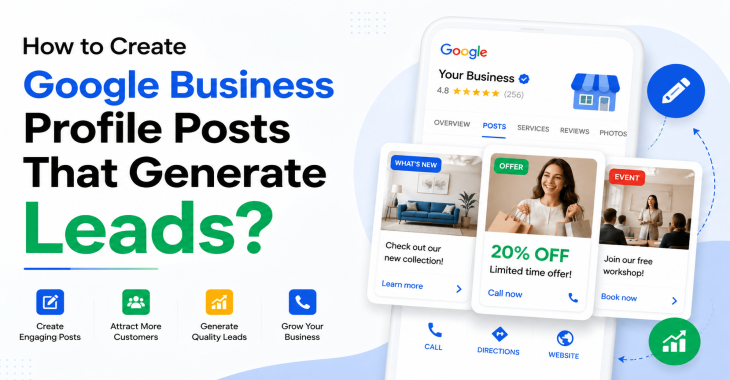
How to Create Google Business Profile Posts That Generate Leads?
- Kruti Varma /
- 2026-08-18 /
Direct, high-quality posts on your Google Business Profile (GBP) can be a powerful source of inbound leads. This guide focuses on practical strategies to craft GBP Posts that convert, using the exact phrase Google Business Profile Posts That Generate Leads where it fits naturally.
How GBP Posts Drive Lead Generation
Google Business Profile Posts appear in local search results and on your Google Business Profile panel. They are a tactile way to move prospective customers from discovery to action. When you optimize these posts for intent and clarity, you unlock a steady stream of inquiries, form fills, and bookings.
- Posts should answer a specific customer question or pain point.
- Include a clear next step (CTA) in every post.
- Align post content with your primary services and offerings.
Understanding the mechanics of Google Business Profile Posts That Generate Leads helps you craft posts that land in front of the right people at the right time.
READ MORE: Google Business Profile Verification: Complete Guide for 2026
Define Your Lead Goals for GBP Posts
Before writing, set concrete goals for your GBP Posts That Generate Leads. Goals shape your messaging, CTAs, and post cadence.
Choose a primary objective
- Generate phone calls
- Capture form submissions
- Drive bookings or appointments
- Promote a service or product bundle
Map content to the buyer’s journey
- Awareness: educational tips, quick fixes
- Consideration: comparisons, service details
- Decision: offers, limited-time promotions, easy conversion
Establish simple metrics
- CTR on post CTAs
- Number of form submissions
- Incoming calls attributed to GBP
- Booking rate from GBP posts
Clarity on goals helps ensure every post contributes to Google Business Profile Posts That Generate Leads.
READ MORE: How to Post on Google Business Profile: Complete Step-by-Step Guide
Crafting Effective GBP Post Formats
GBP supports several post formats. Each format has a distinct purpose and can be used to pursue different lead types.
What to post: quick wins
- Announcements about new hours or services
- Time-bound promotions
- Seasonal offers
What to post: educational content
- How-to steps related to your service
- Troubleshooting tips
- Industry insights tailored to local customers
What to post: social proof
- Short client success stories
- Mini-case studies
- Ratings and testimonials excerpted from reviews
What to post: offers and CTAs
- Booking links, inquiry forms, or call buttons
- Discount codes or bundled services
- Limited-time invitations to schedule a consult
Mix formats, but keep each post focused on a single objective to maximize response rates.
Writing GBP Posts That Generate Leads
The copy inside a post should be concise, scannable, and action-oriented. Use a consistent tone that reflects your brand while staying precise about the benefit to the customer.
Headline and hook
- Lead with a concrete benefit or outcome.
- Use numbers where they add clarity (e.g., “3 quick fixes”).
- Avoid vague statements; be specific about what the user gains.
Core body
- State the problem you solve and the result.
- Include one supporting detail or proof point.
- End with a single, clear CTA.
Calls to action that convert
- Book now
- Get a free quote
- Call today
- Schedule a consultation
- Claim offer
Limit each post to one primary CTA to prevent dilution.
READ MORE: How Often Should You Post on Google Business Profile? (2026 Guide)
Visuals That Support Lead Capture
A strong visual can dramatically increase engagement and lead quality. GBP Posts That Generate Leads should pair text with a relevant image or video.
Best practices for visuals
- Use high-contrast, clean images that relate to the service
- Include a simple text overlay that reinforces the CTA
- Prefer photos of real work, not generic stock imagery
- For services, show the outcome or the process in action
Video and short clips
- 15–30 second clips outperform longer ones for initial engagement
- Demonstrate a quick result or a behind-the-scenes process
- Subtitles improve accessibility and viewer retention
Accessibility considerations
- Alt text for all images
- Captioned videos for users who browse without sound
Visuals should complement the message and not distract from the lead-generation objective.
Cadence and Cadence Optimization
A steady posting rhythm helps keep GBP in front of potential customers. However, quality should not be sacrificed for quantity.
Posting frequency
- Start with 1–2 posts per week
- Increase to 3–4 posts during promotions or peak seasons
- Maintain consistency to build momentum
Timing and local relevance
- Post during local business hours
- Align posts with local events or seasons
- Reflect local customer needs and inquiries
Post testing and iteration
- A/B test headlines and CTAs
- Track engagement and conversion metrics
- Refine messaging based on what resonates locally
Consistency with a data-informed approach yields better performance for Google Business Profile Posts That Generate Leads.
READ MORE: How to Rank on Google Maps: Proven Local SEO Strategies
Local Relevance and Service Alignment
GBP is inherently local. Posts should speak directly to your local audience and the services you provide in your service area.
Service-specific posts
- Highlight a core service with a short benefit statement
- Include a map pin or neighborhood reference when relevant
- Link to service pages on your site or a lead form
Local promotions
- Time-bound offers tied to local events
- Partner with nearby businesses for cross-promotions
- Mention neighborhood considerations or common local issues
Service bundling
- Create bundles that address typical local needs
- Present price ranges or value-based outcomes
- Use a single CTA to a bundled offer or booking page
This alignment improves relevance signals and increases qualified lead intake.
Measuring Impact and Iterating
Track and analyze the performance of your Google Business Profile Posts That Generate Leads to refine your approach.
Key metrics to monitor
- View-to-click ratio on post CTAs
- Inbound calls and form submissions attributed to GBP
- Conversion rate from post to booked appointment
- Post engagement metrics: likes, shares, saves (if available)
Attribution considerations
- Use unique landing pages or UTM parameters for each post
- Monitor which post formats drive the most conversions
- Cross-reference with overall site analytics to verify sources
Revision framework
- Quarterly: refresh high-performing post concepts with new offers
- Monthly: prune underperforming formats and test alternatives
- After promotions: analyze lift and plan next cycle
A disciplined measurement approach keeps Google Business Profile Posts That Generate Leads effective over time.
READ MORE: How to Do Google Maps SEO: Complete Step-by-Step Guide
Common Pitfalls and How to Avoid Them
Avoiding mistakes can preserve lead quality and improve ROI.
Pitfall: vague CTAs
- Always specify the action you want (e.g., “Book a free consult now”)
Pitfall: overloading with information
- Keep posts concise; limit to 2–3 sentences plus CTA
Pitfall: neglecting mobile users
- Ensure buttons are large enough to tap and links load quickly
Pitfall: inconsistent branding
- Use consistent tone, colors, and service naming across all posts
Staying clear and focused helps ensure GBP Posts That Generate Leads perform as intended.
READ MORE: How to Add an Offer, Create an Event & Add a Call-to-Action Button to a Google Business Profile Post
Advanced Tactics for Scale
As you gain traction, several advanced strategies can scale your GBP lead-generation efforts.
Dynamic posting strategy
- Create a content calendar that rotates among education, offers, and social proof
- Use regional content blocks to maintain local relevance
Lead magnets integrated into posts
- Offer downloadable resources or checklists in exchange for contact details
- Link to landing pages with a short form
Segmented CTAs by service line
- Create separate post series for different services
- Use service-specific landing pages to track performance
Seasonal and event-driven campaigns
- Plan posts around holidays, local events, and peak seasons
- Bundle services for timely promotions
These tactics help sustain momentum and keep Google Business Profile Posts That Generate Leads driving results.
Structuring a High-Converting GBP Post
A practical template helps ensure every post is ready to convert.
- Headline: a benefit-driven hook (e.g., “Cut your cleaning time in half with our fast, eco-friendly service”)
- Body (2–3 sentences): state the problem, the solution, and the outcome
- Visual: a relevant, high-quality image or short video
- CTA: a single, clear action (e.g., “Book your free estimate”)
- Link or form: add a direct path to conversion
- Post tag or category (if available): align with service category
Following this structure makes Google Business Profile Posts That Generate Leads predictable and repeatable.
READ MORE: How to Schedule Google Business Profile Posts: Step-by-Step Guide
Takeaways
- Focus each post on a single lead goal and a clear CTA.
- Use a mix of formats: educational content, offers, and social proof.
- Align posts with local services and seasonal relevance.
- Measure performance, attribute conversions, and iterate based on data.
These approaches ensure your Google Business Profile Posts That Generate Leads consistently contribute to your bottom line.
Recent Blogs
-
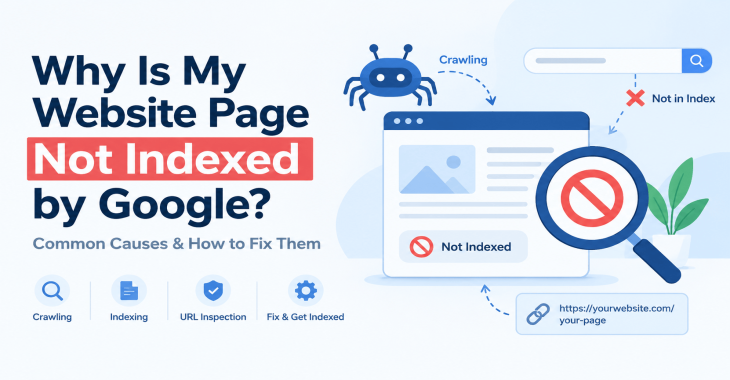
Why Is My Website Page Not Indexed by Google? 12 Reasons & How to Fix It
Posted ::2026-09-24
-
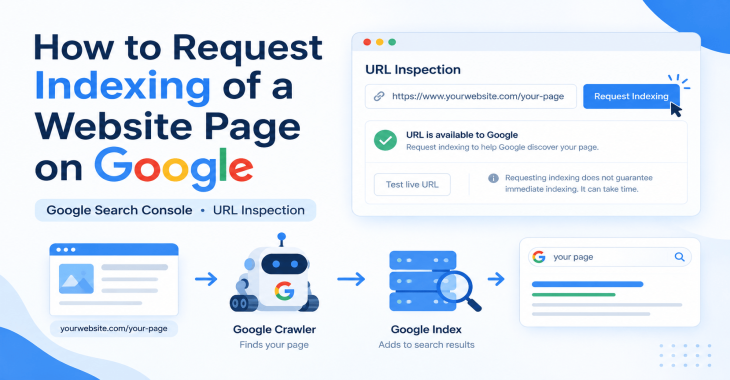
How to Request Indexing of a Website Page on Google?
Posted ::2026-09-19
-
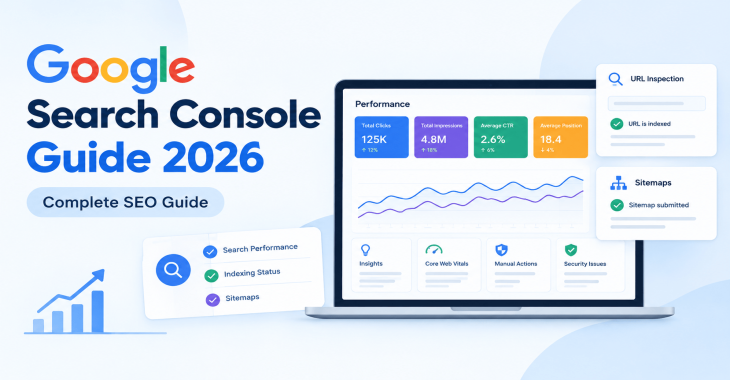
Google Search Console Guide 2026: Complete Beginner’s Guide
Posted ::2026-09-18
-
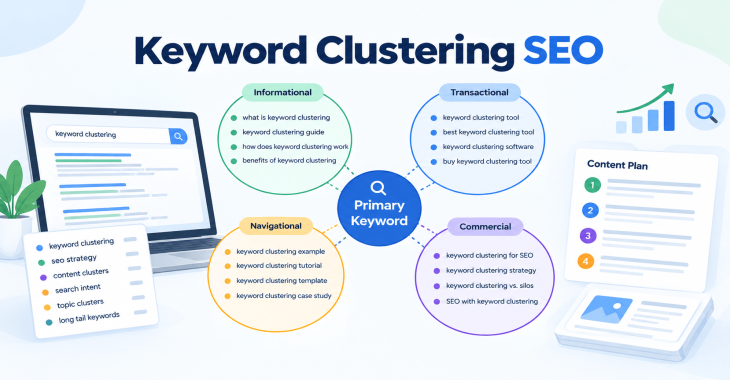
Keyword Clustering SEO: How to Group Keywords for Better Rankings
Posted ::2026-09-12
-
SEO Audit Checklist: 50+ Steps to Audit Your Website
Posted ::2026-09-11


Our FAQ’s
What is digital marketing?
Digital marketing involves marketing to people using Internet-connected electronic devices, namely computers, smartphones and tablets. Digital marketing focuses on channels such as search engines, social media, email, websites and apps to connect with prospects and customers.
What does a digital marketer do?
Digital marketing has evolved to the point where an immense array of specialists consult with brands to develop effective strategies or implement programs. If you’re new to digital marketing, or lack experience or resources, you should consider engaging an experienced and versatile digital marketing consultant.
Would my business benefit from digital marketing?
Definitely. Though companies in many business categories continue to approach digital marketing with skepticism, avoiding digital marketing denies your business access to the media the majority of consumers turn to first and at all hours of the day.
What’s the biggest mistake digital marketers make?
Blowing their own horn. Yes, of course, the primary goal of marketing is to create leads. However, in the age of digital media a brand-centric, salesy approach deflects interest in your company. Make your marketing customer-centric. Second biggest mistake: Far too often, digital marketers start and stop. You need to contribute a steady flow of content to the channels you use.
How often should I update my website?
Websites that go for long periods with no updates and new content are unlikely to perform well or support any useful digital marketing objectives. Though a static website technically qualifies as a website it’s bound to be more than a digital brochure that produces little or no leads.
What do I need to know about mobile?
Mobile phones are the most used technology in the world. Most of your prospects spend the majority of their media time—and hours—using a smartphone. Mobile marketing focuses on mobile strategies like messaging, mobile applications, and mobile websites. A brand that ignores mobile marketing is doomed.
What is content marketing?
Content marketing is the creation and distribution of educational and/or entertaining information assets for the purpose of generating brand awareness, traffic, leads and sales. Marketing content is generally free and does not explicitly promote your brand as an ad would.
What’s involved in creating a content marketing strategy?
A content marketing strategy is a plan for building an audience. Elements of content marketing strategy include establishing objectives, audience personas, a value proposition, content marketing mission statement, a buyer journey map, and plans for creating, promoting and analyzing how content marketing assets and programs perform.
Do I need a blog?
Email, social media, search and other elements of your digital marketing mix will depend on delivering useful content. Though video outlets, podcasts, and media galleries present other options, a blog is by far the most used tactic for distributing marketing content on a channel over which you have complete control.
What content should we create?
There can be no all-encompassing answer to this question except to say you should create content buyers will find relevant and useful. Leading candidates include blog posts, articles, ebooks, infographics, microsites, videos, courses, case studies, newsletters, visuals and various forms of interactive content.
What is SEO?
Search engine optimization (SEO) is the process of using onsite and offsite tactics to help get content presented by a search engine. Done well, the practice increases the quantity and quality of your traffic.
Why is SEO important?
The majority of web traffic is generated by search and those that come by way of search have a greater degree of commercial intent than most other channels.
What is local SEO?
Local SEO is the process of optimizing your online properties to generate traffic from location-based searches. It helps businesses promote products and services to local customers when they need them.
What are keywords?
Keywords are the words and phrases searchers use—usually with search engines—to find relevant pages, images, videos, or any kind of information when looking for answers, knowledge, products, or services. SEO professionals consider keywords and the topics they suggest when optimizing content for search.
What determines search engine rankings?
This question is the source of endless speculation and debate because search engine companies such as Google will not answer it. Experts generally agree rankings are based on relevance and authority, but the factors that determine them are many—and inconsistent. The best way to achieve a high search engine ranking is to create one of the most thorough web pages possible for a specific keyword or topic.
What is PPC?
PPC stands for pay-per-click. Essentially, it’s a way of buying web traffic. Advertisers pay a fee each time one of their ads is clicked. Search engine advertising is the most popular form of PPC, however numerous channels including Facebook now offer PPC ad models.
Why is social media important?
Chances are your audience is active on one or more of the major social networks where billions of people spend time daily. Brands that understand the power of social media marketing and commit resources to it can boost awareness, drive traffic, interact with customers, drive sales, build loyalty, and win advocates.
What is a lead magnet?
A lead magnet is a free offer you make in exchange for an email address (and possibly additional information). The purpose is to inspire prospects to join your email list by offering something of value. Examples include an ebook, guide, report, assessment, cheat sheet, tool, template, webinar, course, or a coupon.
What is a call to action?
A call to action (CTA) is a prompt that instructs the viewer to take a specific action. A call to action is typically written as a command, such as “Buy Now.” In digital marketing a CTA generally takes the form of a button or link.
How long does it take to see results?
Paid digital marketing programs should create results immediately. On the other hand, programs such as content marketing, email list building, and search engine optimization require persistence and patience. You might see some results in a matter of months; however, it’s likely to be six months to a year before you realize some of your traffic and conversion objectives.