

How to Request Indexing of a Website Page on Google?
- Kruti Varma /
- 2026-09-19 /
When you publish a new page, you want Google to notice it quickly. The fastest way to bring a page into Google's index is to request indexing directly. This guide explains how to request indexing website page content efficiently and with best practices.
You’ll learn when to use index requests, how to submit URLs, and what to expect after submission. The goal is to make sure Google can crawl and understand the page, so it can rank appropriately.
Understanding When to Request Indexing
Indexing is the process by which Google discovers and adds pages to its database. A request to index helps Google prioritize a page, but it doesn't guarantee ranking. Use indexing requests judiciously.
- New content: If you publish a page with fresh content, request indexing to accelerate discovery.
- Updated content: For substantial changes, re-indexing can help Google reflect updates faster.
- Important pages: High-priority pages (landing pages, product pages, or time-sensitive information) benefit from prompt indexing.
Avoid overusing indexing requests. Submitting too many URLs in a short period can be viewed as spammy behavior and may slow down the crawl of other pages.
READ MORE: How to Do SEO for a Website: A Step-by-Step Guide
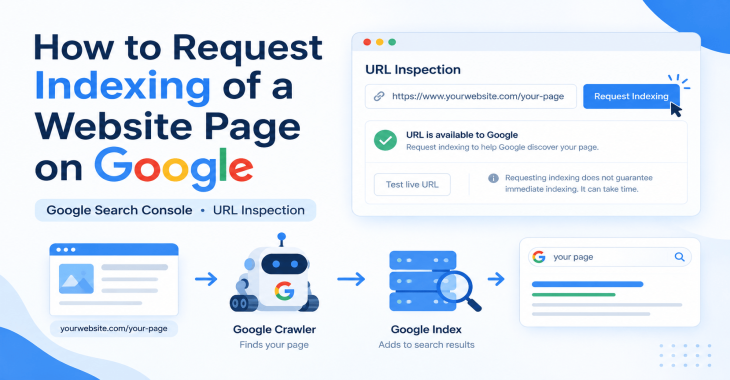
How to Submit a URL for Indexing with Google Search Console
Google Search Console offers a direct path to request indexing. This is the primary method for most website owners.
- Access the URL Inspection tool
- Enter the URL you want indexed
- Review the inspection results
- Click Request indexing if the page is not indexed or to re-crawl after updates
Practical tips:
- Ensure the page is accessible to Googlebot without errors.
- Check for proper canonical tags, noindex meta tags, and robots.txt rules that would block crawling.
- Confirm that the page returns a 200 status code and loads quickly.
If the page is new, it may be crawled and indexed quickly, sometimes within minutes. For updates, the window may vary based on site authority and crawl budget.
Submitting an XML Sitemap to Accelerate Discovery
In addition to requesting individual pages, a sitemap helps Google discover many URLs at once. This is especially useful for larger sites or sites with few internal links to new content.
- Create or update your sitemap to include the new or updated page
- Submit the sitemap in Google Search Console
- Use the Inspect URL tool on the specific page to request indexing after a sitemap submission
Benefits:
- Accelerates discovery of new or updated content
- Helps Google understand page relationships and priority
- Supports large sites with frequent content changes
Best practices:
- Keep the sitemap up to date and only include canonical versions
- Limit the number of URLs per sitemap file for easier processing
- Use a clean, accessible sitemap location (e.g., yourdomain.com/sitemap.xml)
READ MORE: Technical SEO Checklist: 25+ Essential Checks for Better Rankings
Common Issues That Block Indexing
Before submitting a request, verify that common blockers are not present. Fixing these issues increases the likelihood of successful indexing.
- Noindex or disallow rules: Ensure there is no noindex meta tag on the page and that robots.txt allows crawling.
- Crawl errors: 404, 5xx errors, or server instability can prevent indexing.
- Duplicate content: Ensure canonicalization is correct to avoid indexing the same content multiple times.
- Thin or combusted content: Pages with little value may be deprioritized; improve content quality if needed.
- Structured data issues: While not mandatory for indexing, errors can slow processing.
Checklist:
- Confirm the page is accessible without required authentication
- Validate the page status code (ideally 200)
- Check for proper canonical tags and duplicate content signals
- Audit internal linking to ensure discoverability
Using the URL Inspection Tool Effectively
The URL Inspection tool provides a granular view of how Google sees a page.
- Live URL view: See current indexed state and any crawling or indexing issues
- Request indexing option: Trigger a crawl and re-indexing for updated content
- Coverage information: Identify if the URL is in the index, excluded, or blocked
Tips for better outcomes:
- Run the inspection after fixing technical issues to confirm changes
- Use Inspect URL repeatedly after significant updates to track progress
- Pair with a sitemap submission when dealing with numerous pages
Best Practices for Crafting Pages That Get Indexed Quickly
Indexing requests work best when the page is well-prepared. Focus on technical health and content quality to increase the chance of fast indexing and favorable ranking.
Technical health
- Fast, reliable hosting and minimal server errors
- Clear internal linking to the page
- Clean HTML with accessible markup and proper heading structure
Content quality
- Original, substantive content that answers user intent
- Clear headings, concise paragraphs, and scannable sections
- Relevant multimedia with optimized alt text and captions
While you can request indexing for a page, good fundamentals improve long-term visibility and ranking potential.
READ MORE: SEO-Friendly URL Structure: Best Practices & Examples
How to Handle Page Updates and Re-indexing
Updated pages may require a new indexing pass to reflect changes in search results.
- Small updates: A single sentence or correction may not require a new crawl; Google often re-crawls periodically.
- Large updates: Major content changes, redesigns, or URL changes warrant a manual indexing request.
- URL changes: If you move content, set up 301 redirects and then request indexing of the new URL.
Process:
1. Update the page and verify the changes are live
2. Use the URL Inspection tool to inspect the updated URL
3. Request indexing if the page is not yet updated in the index
When to Use the Site-Wide Reindexing Approach
In some cases, a site-wide reindexing effort can help. This is common after major migrations or site restructuring.
- Create a comprehensive sitemap reflecting the new structure
- Submit the sitemap to Google Search Console
- Request indexing for critical sections or high-priority pages
- Monitor coverage reports for any new issues
Do not overdo site-wide requests. Coordinate with ongoing crawl behavior and monitor for any spikes in crawl rate or server load.
The Role of Internal Linking in Indexing
Internal links act as pathways for crawlers to reach new pages. A strong internal linking strategy supports faster indexing.
- Link from high-authority pages to new or updated pages
- Ensure navigation includes important pages and is consistent across the site
- Use contextual links within content to indicate relevance
Tips:
- Avoid orphaned pages that have no internal links
- Use descriptive anchor text that helps Google understand the page topic
- Update old content to include links to newer pages when appropriate
READ MORE: SEO Internal Linking Strategy: A Complete Guide to Internal Links
Monitoring and Measuring Indexing Progress
Keep an eye on indexing progress to adjust strategies and ensure pages appear in search results.
- Google Search Console: Track indexing status via URL Inspection and Coverage reports
- Sitemaps: Monitor sitemap status and any errors reported by Google
- Crawl stats: Review crawl frequency, crawl budget, and any crawl errors
- Performance signals: Observe changes in impressions, clicks, and average rank after indexing
Regular checks help you identify when to re-submit indexing requests or fix issues blocking discovery.
Precautions When Requesting Indexing
- Avoid mass submissions: Submitting dozens or hundreds of URLs at once can trigger crawl bottlenecks or penalties
- Do not rely on indexing alone for visibility: Indexing is just the first step; content quality and relevance drive ranking
- Respect robots.txt and meta robots rules: Ensure you’re not trying to index restricted content
- Maintain a clean site health: Regularly audit for broken links, server errors, and metadata issues
Practical Workflow: Request Indexing Website Page Step by Step
1) Prepare the page
- Ensure the page is live with 200 status
- Check for noindex tags and robots.txt permissions
- Verify loading speed and mobile usability
2) Inspect the URL
- Open Google Search Console
- Use the URL Inspection tool and enter the page URL
- Review the results for crawlability and indexing status
3) Submit the indexing request
- If the page is not indexed or needs re-crawl, click Request indexing
- Note any warnings or errors displayed
4) Monitor
- Check the page’s indexing status in Search Console
- Look for changes in coverage and performance metrics over the next days
5) Follow up
- If indexing stalls, re-check technical issues
- Verify that content aligns with user intent and search signals
READ MORE: SEO Mistakes to Avoid: 15 Common SEO Errors That Hurt Rankings
Troubleshooting Common Indexing Delays
Indexing delays can occur for several reasons. Systematically review the likely culprits and address them.
- Crawl budget constraints: Improve site health, reduce unnecessary redirects, and fix errors
- Indexing queue backlog: Larger sites may take longer; prioritize critical pages
- Content quality signals: Enhance depth and uniqueness of content
- Server performance: Ensure reliable hosting to prevent timeouts during crawls
If issues persist, consult Google Search Console’s diagnostics and consider requesting indexing again after fixes.
Sprinkle of Practical Examples
- Example 1: You publish a new product page for a limited-time offer. After ensuring the page is crawl-friendly and valid, you request indexing via Search Console. You also submit an updated product sitemap. If the page gets indexed quickly, you can monitor performance and adjust internal links to promote visibility.
- Example 2: A blog post with updated sections and updated internal references. You perform a quick content refresh, fix any technical issues, and request indexing for the updated URL. You monitor the updated page’s presence in search results and adjust internal linking to support discovery.
Each example illustrates how a targeted indexing request, combined with site health improvements, helps Google recognize new or updated content faster.
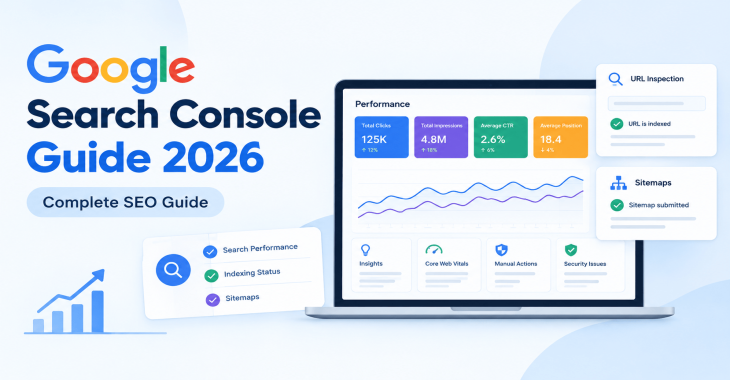
READ MORE: Google Search Console Guide 2026: Complete Beginner’s Guide
Conclusion or Takeaways
Requesting indexing website page content is a useful tool for speeding up discovery, but it works best when paired with solid technical health and quality content. Use Google Search Console to submit individual URLs and consider sitemap submissions for larger updates. Maintain a steady, methodical approach to ensure pages are crawlable, indexable, and aligned with user intent.
Recent Blogs
-
How to Request Indexing of a Website Page on Google?
Posted ::2026-09-19
-
Google Search Console Guide 2026: Complete Beginner’s Guide
Posted ::2026-09-18
-
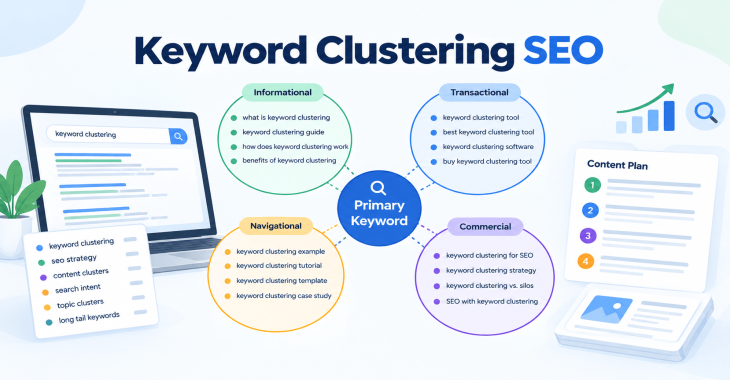
Keyword Clustering SEO: How to Group Keywords for Better Rankings
Posted ::2026-09-12
-
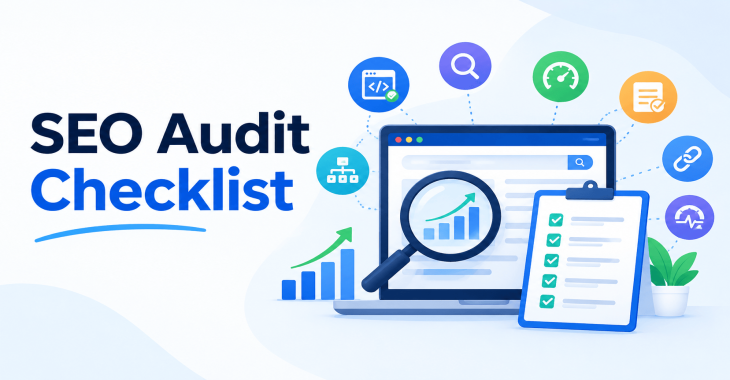
SEO Audit Checklist: 50+ Steps to Audit Your Website
Posted ::2026-09-11
-
SEO Content Strategy: A Step-by-Step Guide to Higher Rankings
Posted ::2026-09-10


Our FAQ’s
What is digital marketing?
Digital marketing involves marketing to people using Internet-connected electronic devices, namely computers, smartphones and tablets. Digital marketing focuses on channels such as search engines, social media, email, websites and apps to connect with prospects and customers.
What does a digital marketer do?
Digital marketing has evolved to the point where an immense array of specialists consult with brands to develop effective strategies or implement programs. If you’re new to digital marketing, or lack experience or resources, you should consider engaging an experienced and versatile digital marketing consultant.
Would my business benefit from digital marketing?
Definitely. Though companies in many business categories continue to approach digital marketing with skepticism, avoiding digital marketing denies your business access to the media the majority of consumers turn to first and at all hours of the day.
What’s the biggest mistake digital marketers make?
Blowing their own horn. Yes, of course, the primary goal of marketing is to create leads. However, in the age of digital media a brand-centric, salesy approach deflects interest in your company. Make your marketing customer-centric. Second biggest mistake: Far too often, digital marketers start and stop. You need to contribute a steady flow of content to the channels you use.
How often should I update my website?
Websites that go for long periods with no updates and new content are unlikely to perform well or support any useful digital marketing objectives. Though a static website technically qualifies as a website it’s bound to be more than a digital brochure that produces little or no leads.
What do I need to know about mobile?
Mobile phones are the most used technology in the world. Most of your prospects spend the majority of their media time—and hours—using a smartphone. Mobile marketing focuses on mobile strategies like messaging, mobile applications, and mobile websites. A brand that ignores mobile marketing is doomed.
What is content marketing?
Content marketing is the creation and distribution of educational and/or entertaining information assets for the purpose of generating brand awareness, traffic, leads and sales. Marketing content is generally free and does not explicitly promote your brand as an ad would.
What’s involved in creating a content marketing strategy?
A content marketing strategy is a plan for building an audience. Elements of content marketing strategy include establishing objectives, audience personas, a value proposition, content marketing mission statement, a buyer journey map, and plans for creating, promoting and analyzing how content marketing assets and programs perform.
Do I need a blog?
Email, social media, search and other elements of your digital marketing mix will depend on delivering useful content. Though video outlets, podcasts, and media galleries present other options, a blog is by far the most used tactic for distributing marketing content on a channel over which you have complete control.
What content should we create?
There can be no all-encompassing answer to this question except to say you should create content buyers will find relevant and useful. Leading candidates include blog posts, articles, ebooks, infographics, microsites, videos, courses, case studies, newsletters, visuals and various forms of interactive content.
What is SEO?
Search engine optimization (SEO) is the process of using onsite and offsite tactics to help get content presented by a search engine. Done well, the practice increases the quantity and quality of your traffic.
Why is SEO important?
The majority of web traffic is generated by search and those that come by way of search have a greater degree of commercial intent than most other channels.
What is local SEO?
Local SEO is the process of optimizing your online properties to generate traffic from location-based searches. It helps businesses promote products and services to local customers when they need them.
What are keywords?
Keywords are the words and phrases searchers use—usually with search engines—to find relevant pages, images, videos, or any kind of information when looking for answers, knowledge, products, or services. SEO professionals consider keywords and the topics they suggest when optimizing content for search.
What determines search engine rankings?
This question is the source of endless speculation and debate because search engine companies such as Google will not answer it. Experts generally agree rankings are based on relevance and authority, but the factors that determine them are many—and inconsistent. The best way to achieve a high search engine ranking is to create one of the most thorough web pages possible for a specific keyword or topic.
What is PPC?
PPC stands for pay-per-click. Essentially, it’s a way of buying web traffic. Advertisers pay a fee each time one of their ads is clicked. Search engine advertising is the most popular form of PPC, however numerous channels including Facebook now offer PPC ad models.
Why is social media important?
Chances are your audience is active on one or more of the major social networks where billions of people spend time daily. Brands that understand the power of social media marketing and commit resources to it can boost awareness, drive traffic, interact with customers, drive sales, build loyalty, and win advocates.
What is a lead magnet?
A lead magnet is a free offer you make in exchange for an email address (and possibly additional information). The purpose is to inspire prospects to join your email list by offering something of value. Examples include an ebook, guide, report, assessment, cheat sheet, tool, template, webinar, course, or a coupon.
What is a call to action?
A call to action (CTA) is a prompt that instructs the viewer to take a specific action. A call to action is typically written as a command, such as “Buy Now.” In digital marketing a CTA generally takes the form of a button or link.
How long does it take to see results?
Paid digital marketing programs should create results immediately. On the other hand, programs such as content marketing, email list building, and search engine optimization require persistence and patience. You might see some results in a matter of months; however, it’s likely to be six months to a year before you realize some of your traffic and conversion objectives.