

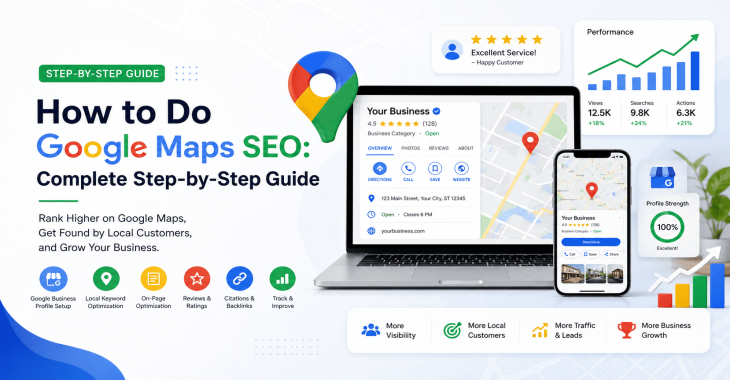
How to Do Google Maps SEO: Complete Step-by-Step Guide
- Kruti Varma /
- 2026-08-11 /
Google Maps SEO is essential for local visibility. This guide walks you through practical, actionable steps to optimize your presence on Google Maps. It covers listing setup, on-page signals, reviews, citations, and ongoing maintenance. Use these techniques to improve your local rankings and attract more customers.
What Google Maps SEO Covers
Google Maps SEO blends local business signals with user behavior signals. The core goal is to show your business when nearby customers search for relevant services. Key areas include your Google Business Profile (GBP), on-site optimization, citation consistency, and review management. The result is higher visibility in the Local Pack and Maps results.
READ MORE: Google Business Profile Optimization Guide (2026): Proven Tips to Rank #1 on Google Maps
1) Set Up and Optimize Your Google Business Profile
The foundation of Google Maps SEO is a complete and accurate GBP listing. Start with a clean, verified profile and fill in every field you can.
- Claim and verify your listing: Use the official verification method for your business category.
- Business name, address, and phone (NAP): Ensure consistency with your website and other directories.
- Categories: Choose primary and secondary categories that precisely describe your services.
- Attributes: Add relevant attributes (e.g., curbside pickup, wheelchair accessible) to improve relevance.
- Business description: Write a concise description focused on your core offerings and geographic areas.
- Hours and special hours: Keep hours up to date, including holiday exceptions.
- Photos and videos: Upload high-quality images of storefront, interiors, products, and staff. Regularly add fresh visuals.
- Services and products: List scoped services with short descriptions and pricing where appropriate.
- Booking, menu, or product links: Connect booking engines or ecommerce pages if relevant.
- GBP posts: Use posts to announce updates, promotions, or events.
Consistency across GBP and your website matters. If your address changes, update all references promptly.
2) Local Website Optimization Tointers
Your site supports GBP rankings and user experience that maps to Google Maps SEO.
- Location pages or service areas: Create dedicated pages for each location or service area with unique content.
- NAP consistency: Ensure business name, address, and phone number match GBP exactly across the site.
- Schema markup: Implement LocalBusiness schema to provide structured data about your location, hours, and contact info.
- On-page signals: Include the city and region in page titles, meta descriptions, headers, and body content where natural.
- Local content signals: Publish blog or resource content focused on local topics or events to establish relevance.
- Mobile experience: Optimize for mobile with fast load times and tap-friendly CTAs.
- Page speed: Improve Core Web Vitals to support better user experience and rankings.
Avoid thin content on location pages. Each page should offer value beyond a phone number and address.
3) Build and Maintain Local Citations
Citations are mentions of your business name, address, and phone number on other sites. They reinforce location authority.
- Consistent NAP on major directories: Yelp, Yellow Pages, Apple Maps, and industry-specific directories.
- Data aggregator submissions: Submit your NAP to reputable aggregators to propagate details across networks.
- Profile completion: Each directory profile should be fully filled with accurate information and keywords where appropriate.
- Local links: Earn links from local organizations, newspapers, or community sites that reference your business.
- Avoid conflicting data: Duplicate listings can hurt performance. Merge or remove duplicates where possible.
Track citations and fix inconsistencies regularly.
4) Gather and Manage Reviews
Reviews influence trust and click-through in maps results. Proactive review management helps you collect and respond to feedback.
- Ask for reviews strategically: Request reviews after service delivery or purchase, making it easy with direct links.
- Respond professionally: Thank positive reviews and address issues in a constructive, public reply.
- Encourage diverse feedback: A mix of ratings with thoughtful comments can build credibility.
- Monitor sentiment trends: Look for recurring themes in reviews to inform service improvements.
- Case handling: Have a process to request remediation or escalate concerns when necessary.
Reviews are part of the user signal set Google considers for Maps rankings. Regular engagement matters.
READ MORE: Google Business Profile Categories: The Complete Guide to Choosing the Right Categories
5) Optimize for Local Keywords in GBP and Site Content
Keyword strategy should reflect how users search locally.
- Primary keywords: Include your core local terms in GBP categories, business description, and service listings.
- Secondary keywords: Use location modifiers and service-specific terms in page titles, headings, and content.
- Natural integration: Avoid keyword stuffing. Maintain conversational, helpful copy that readers and search engines can parse.
- FAQ content: Add location-specific FAQs to capture user intent and long-tail queries.
- Image optimization: Use descriptive file names and alt text with local terms where relevant.
This approach helps both Google Maps and traditional search surfaces understand your relevance.
6) Manage Google Maps Signals and User Experience
Signals from user interactions impact Maps rankings. Improve these signals through design and content choices.
- Click-through rate (CTR): Write compelling titles and descriptions in GBP posts; ensure photos are appealing.
- Dwell time and engagement: Create informative landing pages linked from GBP to keep visitors engaged.
- Interaction signals: Encourage users to save, share, or request directions to your location.
- Accurate directions: Ensure your physical location is easy to find with clear signage and parking options.
A smooth user experience on both Maps and your site reinforces positive signals to Google.
7) Local Content and Community Signals
Google rewards local relevance and community engagement. Build signals that show you are an active local player.
- Local events and news: Post about community sponsorships, events, or partnerships.
- Local resource pages: Create guides for nearby neighborhoods or attractions that you serve.
- Case studies and testimonials: Highlight local customers and projects to illustrate local impact.
- Social signals: Maintain a consistent presence on social channels and link back to GBP where appropriate.
Be careful not to rely solely on third-party signals. They should complement strong on-page and GBP signals.
READ MORE: Google Business Profile Verification: Complete Guide for 2026
8) Monitor and Audit Your Maps SEO Performance
Regular audits keep your Maps SEO strategy effective. Track metrics that matter and adjust as needed.
- GBP insights: Monitor profile views, searches, and actions (calls, direction requests, website visits).
- Local rankings: Check where you appear in the Local Pack for target queries and locations.
- Traffic and conversions: Use analytics to connect Maps-driven visits to on-site actions.
- Consistency checks: Regularly verify NAP accuracy across platforms and fix discrepancies.
- Review sentiment: Track review volume and rating trends to identify service gaps.
A disciplined monitoring routine helps you sustain rankings over time.
9) Local Ads and Promotions (Optional but Strategic)
Paid options can complement organic Maps SEO when used judiciously.
- Local search ads: Use location-based ads to appear in maps results for high-intent searches.
- Promotions and offers: Feature limited-time deals on GBP posts to drive engagement.
- Call and message extensions: If applicable, enable direct contact from the Maps listing.
- Budget discipline: Align campaigns with organic optimization to maximize ROI.
Paid strategies should not replace solid optimization but rather support it.
10) Common Pitfalls to Avoid
Steering clear of common mistakes helps you maintain steady progress.
- Inconsistent NAP across platforms: This confuses Google and users.
- Duplicate listings: Creates confusion and dilutes authority.
- Low-quality photos: Poor visuals can lower perceived trust and engagement.
- Ignoring reviews: A lack of response signals neglect.
- Over-optimizing: Keyword stuffing or forced local terms degrade readability.
Balance optimization efforts with user experience and clarity.
12-Month Action Plan (Sample)
- Month 1: Claim and verify GBP; complete profile; publish essential location pages; ensure NAP consistency.
- Month 2: Add high-quality photos; optimize GBP description; set up services/products sections.
- Month 3: Gather initial reviews; respond to all feedback; submit citations to top directories.
- Month 4: Implement LocalBusiness schema on your site; publish local content.
- Month 5: Launch GBP posts calendar; test local keywords in titles and headers.
- Month 6: Audit listings for duplicates; resolve any inconsistencies.
- Months 7-12: Expand citations, deepen local content, and monitor performance; adjust strategy based on data.
This framework helps you organize ongoing optimization without overlooking any critical signals.
READ MORE: How to Rank on Google Maps: Proven Local SEO Strategies
Tools to Support Google Maps SEO
Certain tools help streamline optimization tasks and audits.
- GBP dashboard: Use the official interface to manage profiles, posts, and insights.
- Local listing managers: Tools that help you monitor and update multiple citations.
- Website schema validators: Check LocalBusiness markup for accuracy.
- Analytics and heatmaps: Track user flow from Maps to your site; measure conversions.
- Review monitoring: Set alerts for new reviews and sentiment shifts.
Choose tools that fit your workflow and budget while staying compliant with platform guidelines.
The Continuous Optimization Mindset
Google Maps SEO is not a one-off task. It requires ongoing attention to changes in search behavior, platform updates, and local market dynamics.
- Stay current with platform updates: Google periodically adjusts ranking signals and features.
- Maintain data hygiene: Regularly audit NAP, hours, and category choices.
- Experiment with formats: Test different GBP post types and photo assets to see what resonates.
- Align with broader SEO: Local signals should harmonize with overall site authority and content quality.
A disciplined, iterative approach yields the best long-term results.
Takeaways
Google Maps SEO combines Google business profile optimization, site signals, citations, and user engagement. By maintaining a complete GBP, ensuring NAP consistency, actively managing reviews, and building local content and citations, you can improve visibility in local search results and rank on Google maps. Regular audits and a steady, data-informed cadence are essential for sustainable performance.
Recent Blogs
-
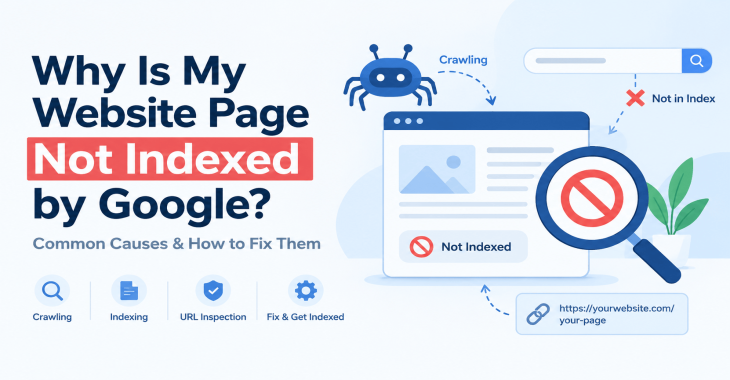
Why Is My Website Page Not Indexed by Google? 12 Reasons & How to Fix It
Posted ::2026-09-24
-
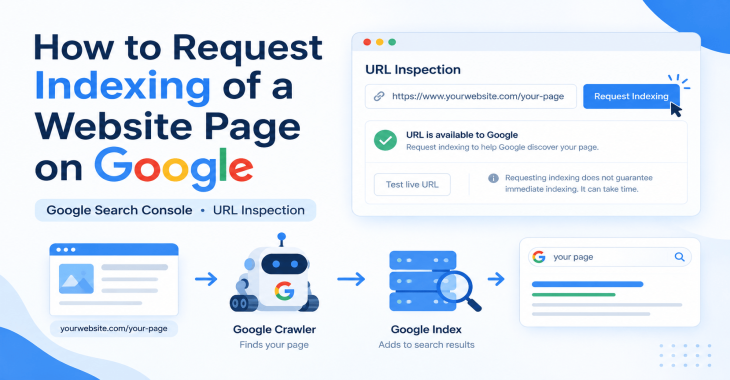
How to Request Indexing of a Website Page on Google?
Posted ::2026-09-19
-
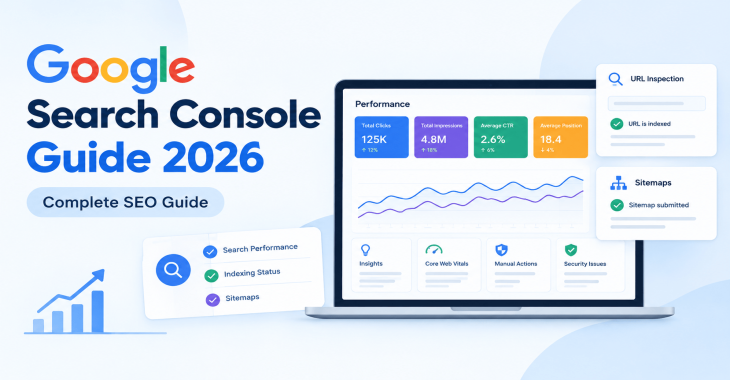
Google Search Console Guide 2026: Complete Beginner’s Guide
Posted ::2026-09-18
-
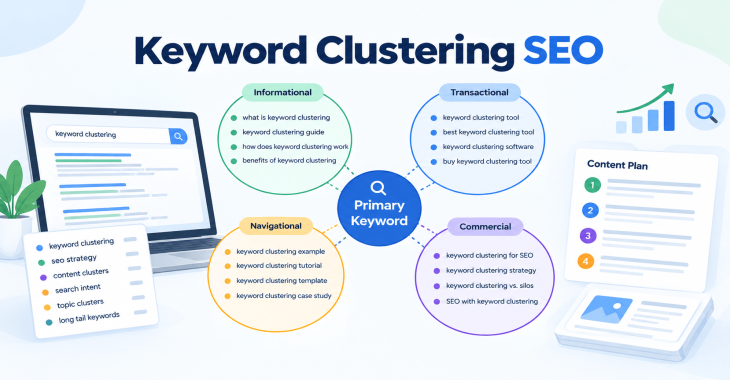
Keyword Clustering SEO: How to Group Keywords for Better Rankings
Posted ::2026-09-12
-
SEO Audit Checklist: 50+ Steps to Audit Your Website
Posted ::2026-09-11


Our FAQ’s
What is digital marketing?
Digital marketing involves marketing to people using Internet-connected electronic devices, namely computers, smartphones and tablets. Digital marketing focuses on channels such as search engines, social media, email, websites and apps to connect with prospects and customers.
What does a digital marketer do?
Digital marketing has evolved to the point where an immense array of specialists consult with brands to develop effective strategies or implement programs. If you’re new to digital marketing, or lack experience or resources, you should consider engaging an experienced and versatile digital marketing consultant.
Would my business benefit from digital marketing?
Definitely. Though companies in many business categories continue to approach digital marketing with skepticism, avoiding digital marketing denies your business access to the media the majority of consumers turn to first and at all hours of the day.
What’s the biggest mistake digital marketers make?
Blowing their own horn. Yes, of course, the primary goal of marketing is to create leads. However, in the age of digital media a brand-centric, salesy approach deflects interest in your company. Make your marketing customer-centric. Second biggest mistake: Far too often, digital marketers start and stop. You need to contribute a steady flow of content to the channels you use.
How often should I update my website?
Websites that go for long periods with no updates and new content are unlikely to perform well or support any useful digital marketing objectives. Though a static website technically qualifies as a website it’s bound to be more than a digital brochure that produces little or no leads.
What do I need to know about mobile?
Mobile phones are the most used technology in the world. Most of your prospects spend the majority of their media time—and hours—using a smartphone. Mobile marketing focuses on mobile strategies like messaging, mobile applications, and mobile websites. A brand that ignores mobile marketing is doomed.
What is content marketing?
Content marketing is the creation and distribution of educational and/or entertaining information assets for the purpose of generating brand awareness, traffic, leads and sales. Marketing content is generally free and does not explicitly promote your brand as an ad would.
What’s involved in creating a content marketing strategy?
A content marketing strategy is a plan for building an audience. Elements of content marketing strategy include establishing objectives, audience personas, a value proposition, content marketing mission statement, a buyer journey map, and plans for creating, promoting and analyzing how content marketing assets and programs perform.
Do I need a blog?
Email, social media, search and other elements of your digital marketing mix will depend on delivering useful content. Though video outlets, podcasts, and media galleries present other options, a blog is by far the most used tactic for distributing marketing content on a channel over which you have complete control.
What content should we create?
There can be no all-encompassing answer to this question except to say you should create content buyers will find relevant and useful. Leading candidates include blog posts, articles, ebooks, infographics, microsites, videos, courses, case studies, newsletters, visuals and various forms of interactive content.
What is SEO?
Search engine optimization (SEO) is the process of using onsite and offsite tactics to help get content presented by a search engine. Done well, the practice increases the quantity and quality of your traffic.
Why is SEO important?
The majority of web traffic is generated by search and those that come by way of search have a greater degree of commercial intent than most other channels.
What is local SEO?
Local SEO is the process of optimizing your online properties to generate traffic from location-based searches. It helps businesses promote products and services to local customers when they need them.
What are keywords?
Keywords are the words and phrases searchers use—usually with search engines—to find relevant pages, images, videos, or any kind of information when looking for answers, knowledge, products, or services. SEO professionals consider keywords and the topics they suggest when optimizing content for search.
What determines search engine rankings?
This question is the source of endless speculation and debate because search engine companies such as Google will not answer it. Experts generally agree rankings are based on relevance and authority, but the factors that determine them are many—and inconsistent. The best way to achieve a high search engine ranking is to create one of the most thorough web pages possible for a specific keyword or topic.
What is PPC?
PPC stands for pay-per-click. Essentially, it’s a way of buying web traffic. Advertisers pay a fee each time one of their ads is clicked. Search engine advertising is the most popular form of PPC, however numerous channels including Facebook now offer PPC ad models.
Why is social media important?
Chances are your audience is active on one or more of the major social networks where billions of people spend time daily. Brands that understand the power of social media marketing and commit resources to it can boost awareness, drive traffic, interact with customers, drive sales, build loyalty, and win advocates.
What is a lead magnet?
A lead magnet is a free offer you make in exchange for an email address (and possibly additional information). The purpose is to inspire prospects to join your email list by offering something of value. Examples include an ebook, guide, report, assessment, cheat sheet, tool, template, webinar, course, or a coupon.
What is a call to action?
A call to action (CTA) is a prompt that instructs the viewer to take a specific action. A call to action is typically written as a command, such as “Buy Now.” In digital marketing a CTA generally takes the form of a button or link.
How long does it take to see results?
Paid digital marketing programs should create results immediately. On the other hand, programs such as content marketing, email list building, and search engine optimization require persistence and patience. You might see some results in a matter of months; however, it’s likely to be six months to a year before you realize some of your traffic and conversion objectives.