

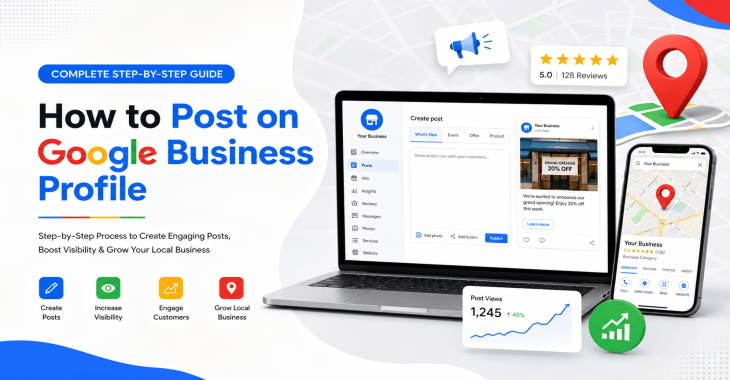
How to Post on Google Business Profile: Complete Step-by-Step Guide
- Kruti Varma /
- 2026-08-12 /
Posting on Google Business Profile (GBP) is a straightforward way to keep your audience informed with updates, offers, events, and product highlights. This guide covers how to post on Google Business Profile step by step, with practical tips and best practices.
Google Business Profile posts appear in your business’s listing on Google Search and Maps. They can drive engagement, showcase timely information, and boost your presence in local search results. Follow these steps to create, manage, and optimize your GBP posts.
What you need before posting
- A verified Google Business Profile for your location(s).
- Access to the GBP dashboard with a role that allows posting (Owner, Manager, or Site Manager).
- Clear intent for the post: update, event, offer, product, or a status update.
If you’re new to GBP, verify your business first. Verification adds credibility and enables posting capabilities.
READ MORE: Google Business Profile Verification: Complete Guide for 2026
Types of posts you can create
Update posts
- Share news about your business, changes in hours, new services, or other timely information.
- Use a clear, concise voice to inform customers quickly.
Offer posts
- Highlight discounts or promotions.
- Include a start and end date, terms, and a strong call to action.
Event posts
- Promote upcoming events with dates, times, and locations.
- Add a booking or RSVP link if applicable.
Product posts
- Showcase a product with a photo or video.
- Include a price, description, and a call to action.
What to include in every post
- A strong and relevant headline (the post title).
- A short description or body copy that explains the value.
- A high-quality image or video (where possible).
- A call to action (CTA) button or link.
Accessing Google Business Profile and the post composer
1. Sign in to Google Business Profile Manager.
2. Select the location you want to manage.
3. In the left-hand menu, click “Posts.”
4. Choose the post type you want to create (Update, Offer, Event, Product, or COVID-19 update if applicable).
The post composer appears with fields for text, media, CTA, and date range (for offers and events).
READ MORE: Google Business Profile Categories: The Complete Guide to Choosing the Right Categories
How to craft effective GBP posts
Write for quick skimming
- Use 1–2 short sentences for the main message.
- Break information into digestible lines; people often skim.
Use a clear CTA
- Choose a CTA that matches your goal: Book, Learn more, Buy, Sign up, Call, or Order Online.
- Ensure the CTA aligns with the link or action you want users to take.
Include visuals
- Use high-resolution images (minimum 720x540, recommended 1024x768).
- Videos should be concise and under 30 seconds when possible.
- Alt text on images helps accessibility and engagement.
Leverage keywords naturally
- Integrate relevant local keywords without stuffing.
- Focus on clarity and user intent rather than keyword density.
Timing and frequency
- Post when you have timely information or promotions.
- Maintain a steady cadence for updates, but avoid spamming the audience.
Step-by-step: Creating an Update post
1. In the post composer, select “Update.”
2. Write a concise headline (40–80 characters).
3. Add a 1–2 sentence body that explains the update.
4. Upload an accompanying image or video.
5. Choose a CTA if relevant (Learn more, Shop, etc.).
6. Schedule or publish immediately.
Best practices:
- Lead with the most important detail.
- Keep the post length under 300–400 words when possible.
- Use a placeholder CTA if you don’t have a link yet, then update later.
Step-by-step: Creating an Offer post
1. Choose “Offer” in the post composer.
2. Enter a compelling offer title and a brief description.
3. Set the start and end dates. If the offer has no end date, choose a reasonable duration.
4. Add terms and conditions to avoid confusion.
5. Upload media that highlights the offer.
6. Add a CTA such as “Redeem” or “Learn more,” linking to the landing page.
7. Publish.
Best practices:
- Include the discount percentage, dollar amount, or a clear value proposition.
- Tie the offer to a real-world action, like visiting the store or online checkout.
Step-by-step: Creating an Event post
1. Select “Event” in the post composer.
2. Enter the event name and location. Include the city or neighborhood for local relevance.
3. Provide start and end date and time. If it’s all-day, mark accordingly.
4. Add a brief description with what attendees can expect.
5. Upload a relevant image or video. Consider branding consistency.
6. Add a CTA if you want attendees to RSVP or book.
7. Publish.
Best practices:
- Event posts should reflect the user journey: discover, consider, and act.
- Use language that makes the value visible.
Step-by-step: Creating a Product post
1. Click “Product” in the post composer.
2. Provide the product name and price (if applicable).
3. Add a short product description that highlights unique features.
4. Upload product imagery or a short video.
5. Include a CTA like “Buy” or “Learn more,” linking to the product page.
6. Publish.
Best practices:
- Product posts work well for seasonal items, best-sellers, or newly launched products.
Optimizing post visibility and performance
Post quality and consistency
- Publish posts that are relevant to your audience and current promotions.
- Maintain a consistent voice across updates, offers, events, and products.
Use local signals
- Mention locality when appropriate (city, neighborhood) to boost local relevance.
- Link to location-specific pages if you manage multi-location GBP profiles.
Monitor post performance
- Review impressions, clicks, and actions in GBP insights if available.
- Adapt your posting strategy based on what content resonates with your audience.
Visual standards
- Use clear, well-lit images or videos.
- Include branding elements but avoid clutter on the image.
Accessibility
- Provide alt text for images to improve accessibility.
- Ensure text on images is legible at small sizes.
READ MORE: How to Do Google Maps SEO: Complete Step-by-Step Guide
Managing multiple locations
If you manage more than one location, you can publish posts for each location independently. Schedule posts to align with regional promotions or events. Periodically audit your locations to ensure accuracy of hours, contact details, and post relevance.
Common pitfalls and how to avoid them
- Overposting: Posting too frequently can dilute impact. Aim for relevance and quality over quantity.
- Inaccurate information: Double-check dates, times, prices, and terms before publishing.
- Missing CTAs: Always include an action that directs users to the next step.
- Poor media quality: Low-resolution images reduce engagement. Use high-quality visuals.
Accessibility and inclusivity in GBP posts
- Use plain language and avoid jargon that may confuse local customers.
- Ensure that captions and video text are readable and accurate.
- Provide options for users who may be accessing GBP via assistive technologies.
Steps to review and update old posts
- Regularly review past posts for accuracy, especially if hours or promotions change.
- Update or remove outdated posts to prevent misinformation.
- Pin or highlight the most time-sensitive information in your GBP profile where possible.
Integration with other channels
- Tie GBP posts to your website landing pages for consistency.
- Promote GBP posts on social media or email newsletters where appropriate.
- Use UTM parameters on linked CTAs to trace traffic.
Security and account hygiene
- Use strong, unique passwords and enable two-factor authentication on your Google account.
- Limit posting permissions to trusted team members.
- Periodically audit which users have posting access and adjust as needed.
Troubleshooting common issues
- Post not publishing: Check for account permissions and verify the post type selected.
- Media not displaying: Ensure the file type is supported and the size fits the platform’s requirements.
- CTA not working: Verify the target URL and ensure it’s accessible.
READ MORE: How to Rank on Google Maps: Proven Local SEO Strategies
Practical example: a weekly update workflow
- Monday: Post a short update about upcoming hours or a small team announcement.
- Wednesday: Share a midweek offer or reminder about ongoing promotions.
- Friday: Post a product highlight or event teaser for the weekend.
This cadence keeps your GBP presence active without overwhelming your audience.
Measuring impact and iteration
- Track how many users view the post and click on the CTA.
- Compare performance across post types (updates, offers, events, products) to identify what resonates.
- Use insights to inform future content, timing, and media choices.
Compliance and platform guidelines
- Follow Google’s policies for business profiles and promotional content.
- Avoid misinformation, excessive promotional language, or deceptive practices.
- Respect user privacy when collecting data through post CTAs.
READ MORE: Google Business Profile Optimization Guide (2026): Proven Tips to Rank #1 on Google Maps
Conclusion
Posting on Google Business Profile is a practical way to surface timely information, promotions, and product details to local searchers. By choosing the right post type, crafting concise copy, and pairing it with compelling visuals and clear CTAs, you can improve visibility and engagement. Regular updates and a thoughtful approach to timing will help your GBP presence stay relevant and effective.
Recent Blogs
-
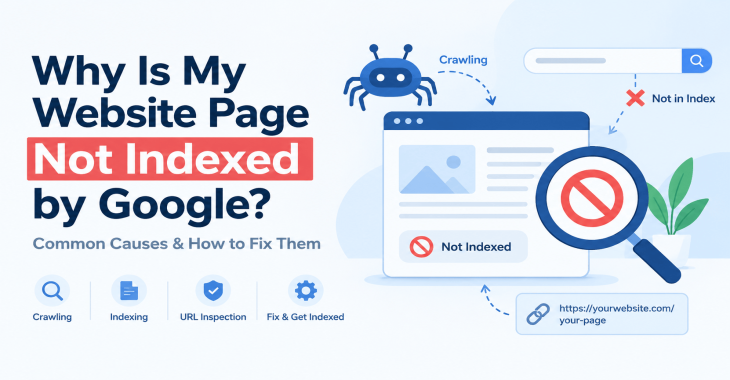
Why Is My Website Page Not Indexed by Google? 12 Reasons & How to Fix It
Posted ::2026-09-24
-
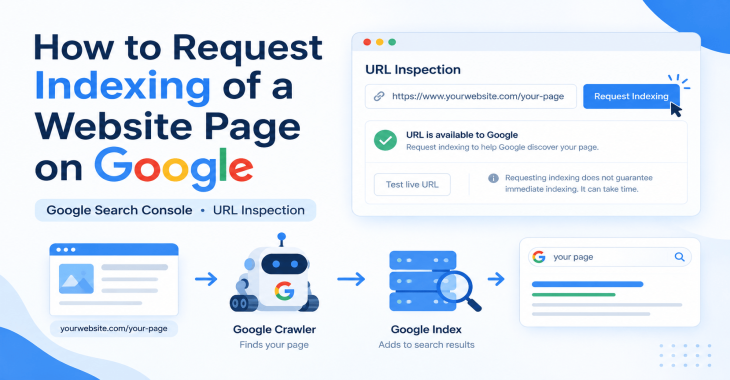
How to Request Indexing of a Website Page on Google?
Posted ::2026-09-19
-
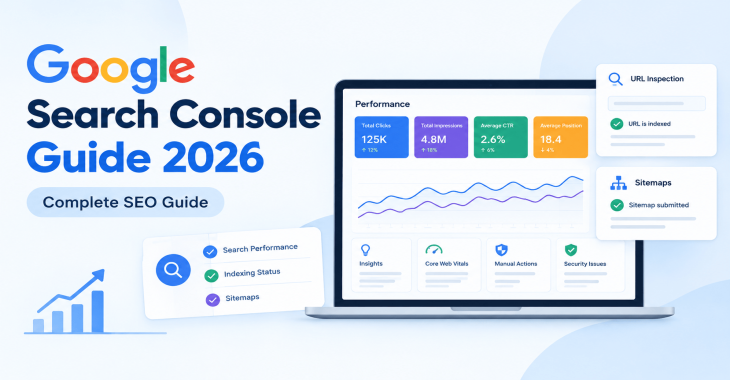
Google Search Console Guide 2026: Complete Beginner’s Guide
Posted ::2026-09-18
-
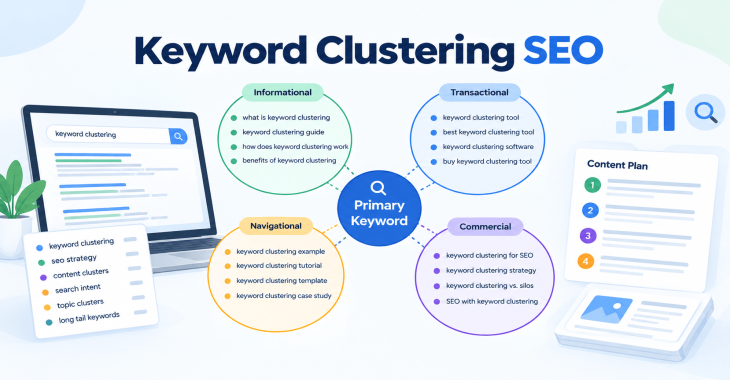
Keyword Clustering SEO: How to Group Keywords for Better Rankings
Posted ::2026-09-12
-
SEO Audit Checklist: 50+ Steps to Audit Your Website
Posted ::2026-09-11


Our FAQ’s
What is digital marketing?
Digital marketing involves marketing to people using Internet-connected electronic devices, namely computers, smartphones and tablets. Digital marketing focuses on channels such as search engines, social media, email, websites and apps to connect with prospects and customers.
What does a digital marketer do?
Digital marketing has evolved to the point where an immense array of specialists consult with brands to develop effective strategies or implement programs. If you’re new to digital marketing, or lack experience or resources, you should consider engaging an experienced and versatile digital marketing consultant.
Would my business benefit from digital marketing?
Definitely. Though companies in many business categories continue to approach digital marketing with skepticism, avoiding digital marketing denies your business access to the media the majority of consumers turn to first and at all hours of the day.
What’s the biggest mistake digital marketers make?
Blowing their own horn. Yes, of course, the primary goal of marketing is to create leads. However, in the age of digital media a brand-centric, salesy approach deflects interest in your company. Make your marketing customer-centric. Second biggest mistake: Far too often, digital marketers start and stop. You need to contribute a steady flow of content to the channels you use.
How often should I update my website?
Websites that go for long periods with no updates and new content are unlikely to perform well or support any useful digital marketing objectives. Though a static website technically qualifies as a website it’s bound to be more than a digital brochure that produces little or no leads.
What do I need to know about mobile?
Mobile phones are the most used technology in the world. Most of your prospects spend the majority of their media time—and hours—using a smartphone. Mobile marketing focuses on mobile strategies like messaging, mobile applications, and mobile websites. A brand that ignores mobile marketing is doomed.
What is content marketing?
Content marketing is the creation and distribution of educational and/or entertaining information assets for the purpose of generating brand awareness, traffic, leads and sales. Marketing content is generally free and does not explicitly promote your brand as an ad would.
What’s involved in creating a content marketing strategy?
A content marketing strategy is a plan for building an audience. Elements of content marketing strategy include establishing objectives, audience personas, a value proposition, content marketing mission statement, a buyer journey map, and plans for creating, promoting and analyzing how content marketing assets and programs perform.
Do I need a blog?
Email, social media, search and other elements of your digital marketing mix will depend on delivering useful content. Though video outlets, podcasts, and media galleries present other options, a blog is by far the most used tactic for distributing marketing content on a channel over which you have complete control.
What content should we create?
There can be no all-encompassing answer to this question except to say you should create content buyers will find relevant and useful. Leading candidates include blog posts, articles, ebooks, infographics, microsites, videos, courses, case studies, newsletters, visuals and various forms of interactive content.
What is SEO?
Search engine optimization (SEO) is the process of using onsite and offsite tactics to help get content presented by a search engine. Done well, the practice increases the quantity and quality of your traffic.
Why is SEO important?
The majority of web traffic is generated by search and those that come by way of search have a greater degree of commercial intent than most other channels.
What is local SEO?
Local SEO is the process of optimizing your online properties to generate traffic from location-based searches. It helps businesses promote products and services to local customers when they need them.
What are keywords?
Keywords are the words and phrases searchers use—usually with search engines—to find relevant pages, images, videos, or any kind of information when looking for answers, knowledge, products, or services. SEO professionals consider keywords and the topics they suggest when optimizing content for search.
What determines search engine rankings?
This question is the source of endless speculation and debate because search engine companies such as Google will not answer it. Experts generally agree rankings are based on relevance and authority, but the factors that determine them are many—and inconsistent. The best way to achieve a high search engine ranking is to create one of the most thorough web pages possible for a specific keyword or topic.
What is PPC?
PPC stands for pay-per-click. Essentially, it’s a way of buying web traffic. Advertisers pay a fee each time one of their ads is clicked. Search engine advertising is the most popular form of PPC, however numerous channels including Facebook now offer PPC ad models.
Why is social media important?
Chances are your audience is active on one or more of the major social networks where billions of people spend time daily. Brands that understand the power of social media marketing and commit resources to it can boost awareness, drive traffic, interact with customers, drive sales, build loyalty, and win advocates.
What is a lead magnet?
A lead magnet is a free offer you make in exchange for an email address (and possibly additional information). The purpose is to inspire prospects to join your email list by offering something of value. Examples include an ebook, guide, report, assessment, cheat sheet, tool, template, webinar, course, or a coupon.
What is a call to action?
A call to action (CTA) is a prompt that instructs the viewer to take a specific action. A call to action is typically written as a command, such as “Buy Now.” In digital marketing a CTA generally takes the form of a button or link.
How long does it take to see results?
Paid digital marketing programs should create results immediately. On the other hand, programs such as content marketing, email list building, and search engine optimization require persistence and patience. You might see some results in a matter of months; however, it’s likely to be six months to a year before you realize some of your traffic and conversion objectives.