

How to Schedule Google Business Profile Posts: Step-by-Step Guide
- Kruti Varma /
- 2026-08-17 /
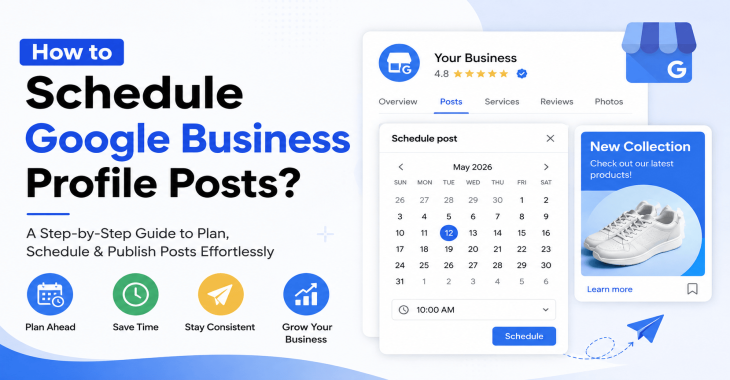
Scheduling Google Business Profile posts helps you keep your profile fresh without daily manual updates. This guide walks through exact steps to schedule posts, when to schedule, and how to measure impact. You’ll learn how to schedule google business profile posts efficiently and reliably.
Two quick notes before you start: first, Google Business Profile (GBP) posts can be published to your listing at a future date or time when you create or edit a post. second, the ability to schedule is most straightforward when you use the official Google interface or a supported third-party tool that integrates with GBP.
READ MORE: Google Business Profile Verification: Complete Guide for 2026
What you need to schedule google business profile posts
- A verified Google Business Profile listing
- Access to the GBP dashboard (or an approved third-party tool)
- A clear content plan with post types (updates, offers, events, products)
Having these basics in place makes scheduling straightforward. If you lack access, request permissions from the account owner and verify ownership of the listing before attempting to schedule.
Supported post types for scheduling
- Updates (general news or announcements)
- Offers (discounts or promotions)
- Events (upcoming activities with dates)
- Products (highlights with price and details)
Each post type has a recommended structure, but the scheduling process remains consistent across types.
READ MORE: How to Post on Google Business Profile: Complete Step-by-Step Guide
Schedule into the GBP interface: the official path
The Google Business Profile dashboard provides a direct path to publish posts at a future date. Use this when you want a native solution without third-party tools.
Step-by-step: using the GBP dashboard
1. Sign in to your Google Business Profile account and select the location you manage.
2. Click on Posts in the left navigation.
3. Create the post content, including text, media, and a call-to-action.
4. Look for the scheduling option at the bottom of the post editor (if available in your region).
5. Choose the date and time for publication, then confirm.
Not all regions or account types expose a scheduling calendar. If the option isn’t visible, you’ll need a workaround, such as a third-party tool or manual posting at the time you want.
Considerations when using the dashboard
- Time zones: Ensure the time zone matches the location you’re targeting.
- Post lifespan: GBP posts have a limited display window. Plan timing to align with your campaign cadence.
- Content limits: Keep text concise; avoid excessive hashtags or links.
Scheduling with third-party tools
Several third-party platforms offer GBP scheduling features. These tools can extend functionality, especially when the native GBP interface lacks a robust scheduling option.
Choosing a tool
- Verify GBP compatibility: Ensure the tool supports the post types you plan to schedule.
- Check permissions: Confirm you can connect the tool to your GBP listing without sharing ownership.
- Review pricing and limits: Some tools charge per location or per scheduled post.
How to schedule using a third-party tool
1. Connect your GBP listing to the tool using the account you manage.
2. Create a new post with the desired content and media.
3. Select a future date and time for publishing.
4. Save or schedule the post, then monitor status in the tool’s calendar or queue.
5. Confirm the post appears in GBP at the scheduled time.
Using a tool often provides a centralized calendar view, allowing you to manage multiple locations and post types in one place.
READ MORE: Google Business Profile Optimization Guide (2026): Proven Tips to Rank #1 on Google Maps
Best practices for timing and content when scheduling
Timing matters for engagement. Schedule posts to align with business hours, promotions, or events.
Timing guidelines
- Align with business hours: Publish during peak visitor times when the audience is most active.
- Reserve time for events and offers: Schedule around the start of a sale or special event.
- Test and adjust: Run experiments with varying lead times (e.g., 24 hours, 3 days) and compare engagement.
Content guidelines for scheduled posts
- Be concise: GBP posts have limited visibility and space.
- Include a clear CTA: Direct users to your website, booking page, or offer details.
- Use media effectively: Images or short videos improve visibility and interaction.
- Local relevance: Mention location-specific details if your listing covers multiple venues.
How to handle updates across multiple locations
If you manage several GBP listings, central scheduling can save time. Use either the dashboard’s bulk features (where available) or a third-party tool designed for multi-location management.
Multi-location scheduling steps
- Create a centralized content calendar: Map posts to dates and locations.
- Use location-specific copy: Tailor messages to each venue’s audience.
- Validate time zones per listing: Each location may require a different posting schedule.
Common pitfalls
- Inconsistent branding: Keep visuals and tone consistent across locations.
- Duplicate posts: Avoid posting the same message to multiple locations if it isn’t relevant.
- Over-scheduling: Don’t flood listings with too many posts in a short window.
READ MORE: How to Rank on Google Maps: Proven Local SEO Strategies
Analyzing performance of scheduled posts
Tracking impact helps you refine your schedule and content strategy. GBP provides basic insights, and third-party tools may offer deeper analytics.
What to monitor
- Impressions and actions: How many people viewed the post and took action.
- Engagement direction: Compare click-throughs to website visits or calls.
- Post lifespan: Note how long a post remains visible after publication.
How to adjust based on results
- If certain times yield higher engagement, adjust your calendar to repeat similar slots.
- If specific post types underperform, revise content or scheduling cadence.
- Use A/B testing for copy and media formats when supported by the tool.
Troubleshooting common scheduling issues
Scheduling GBP posts can encounter limitations depending on tool support and regional features.
Common issues and fixes
- Scheduling option missing: If you don’t see a calendar option, try a different tool or publish in the dashboard when available.
- Time zone errors: Double-check the listing’s location time zone in the tool settings.
- Post not appearing at the scheduled time: Confirm the post status in the tool and GBP, and check for any account permission changes.
Helpful workflows
- Draft posts ahead: Prepare several posts in advance and schedule them for different days.
- Maintain a backup plan: Have at least one post ready to publish manually if scheduling fails.
READ MORE: How to Do Google Maps SEO: Complete Step-by-Step Guide
Compliance and policy considerations
Follow Google’s guidelines for GBP posts to avoid policy issues or post removals.
Content rules to keep in mind
- Prohibited content: Do not publish misleading, harmful, or deceptive information.
- Advertising standards: Be transparent about offers, including terms and eligibility.
- Copyright and media: Use only media you own or have rights to use.
Accessibility tips
- Add descriptive alt text for media when possible.
- Keep text legible with readable fonts and contrast.
Practical example: scheduling a local event post
- Objective: Promote a store anniversary event.
- Timing: Schedule 3 days before the event, with a reminder post on the day of the event.
- Content plan:
- Post 1 (3 days prior): Event teaser with date, time, and location; CTA to learn more.
- Post 2 (1 day prior): Reminder with map link and RSVP suggestion.
- Post 3 (same day): Last-minute reminder with special guest mention.
- Execution steps:
1. Create Post A with text, a banner image, and CTA.
2. Schedule at 10:00 AM local time three days before the event.
3. Create Post B and schedule for the day before at 4:00 PM.
4. Create Post C and schedule for the event day at 9:00 AM or 11:00 AM, depending on foot traffic.
This approach keeps your GBP presence active without manual daily posting.
READ MORE: How Often Should You Post on Google Business Profile? (2026 Guide)
Alternatives and complementary channels
GBP posts work best when integrated with other local marketing channels.
- Google Posts vs. Google My Business updates: Understanding how updates and posts relate helps you coordinate content across channels.
- Local SEO alignment: Schedule posts that reinforce your business’s core keywords and offers.
- Cross-channel promotion: Promote GBP posts via your website, email newsletters, and social profiles to maximize visibility.
Workflow recommendations for teams
If you work with a team, establish a clear process to avoid gaps or duplicate efforts.
- Roles: Assign responsibility for content creation, image production, and scheduling.
- Calendar: Maintain a shared editorial calendar with posting windows.
- Review process: Implement a quick approval step to ensure consistency and compliance.
- Documentation: Keep a running guide on best practices and tool settings for your GBP postings.
READ MORE: How to Add an Offer, Create an Event & Add a Call-to-Action Button to a Google Business Profile Post
Conclusion or Takeaways
Scheduling google business profile posts lets you maintain a consistent GBP presence with less manual effort. Use the official dashboard when possible, and supplement with trusted third-party tools for multi-location setups. Plan timing carefully, craft concise, local-ready content, and monitor performance to refine your schedule over time.
Recent Blogs
-
Why Is My Website Page Not Indexed by Google? 12 Reasons & How to Fix It
Posted ::2026-09-24
-
How to Request Indexing of a Website Page on Google?
Posted ::2026-09-19
-
Google Search Console Guide 2026: Complete Beginner’s Guide
Posted ::2026-09-18
-
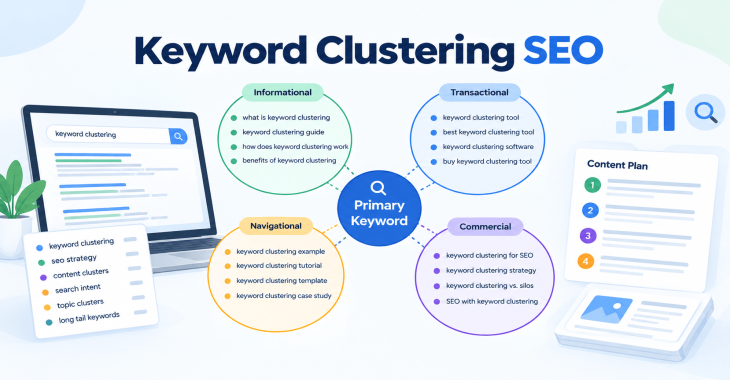
Keyword Clustering SEO: How to Group Keywords for Better Rankings
Posted ::2026-09-12
-
SEO Audit Checklist: 50+ Steps to Audit Your Website
Posted ::2026-09-11


Our FAQ’s
What is digital marketing?
Digital marketing involves marketing to people using Internet-connected electronic devices, namely computers, smartphones and tablets. Digital marketing focuses on channels such as search engines, social media, email, websites and apps to connect with prospects and customers.
What does a digital marketer do?
Digital marketing has evolved to the point where an immense array of specialists consult with brands to develop effective strategies or implement programs. If you’re new to digital marketing, or lack experience or resources, you should consider engaging an experienced and versatile digital marketing consultant.
Would my business benefit from digital marketing?
Definitely. Though companies in many business categories continue to approach digital marketing with skepticism, avoiding digital marketing denies your business access to the media the majority of consumers turn to first and at all hours of the day.
What’s the biggest mistake digital marketers make?
Blowing their own horn. Yes, of course, the primary goal of marketing is to create leads. However, in the age of digital media a brand-centric, salesy approach deflects interest in your company. Make your marketing customer-centric. Second biggest mistake: Far too often, digital marketers start and stop. You need to contribute a steady flow of content to the channels you use.
How often should I update my website?
Websites that go for long periods with no updates and new content are unlikely to perform well or support any useful digital marketing objectives. Though a static website technically qualifies as a website it’s bound to be more than a digital brochure that produces little or no leads.
What do I need to know about mobile?
Mobile phones are the most used technology in the world. Most of your prospects spend the majority of their media time—and hours—using a smartphone. Mobile marketing focuses on mobile strategies like messaging, mobile applications, and mobile websites. A brand that ignores mobile marketing is doomed.
What is content marketing?
Content marketing is the creation and distribution of educational and/or entertaining information assets for the purpose of generating brand awareness, traffic, leads and sales. Marketing content is generally free and does not explicitly promote your brand as an ad would.
What’s involved in creating a content marketing strategy?
A content marketing strategy is a plan for building an audience. Elements of content marketing strategy include establishing objectives, audience personas, a value proposition, content marketing mission statement, a buyer journey map, and plans for creating, promoting and analyzing how content marketing assets and programs perform.
Do I need a blog?
Email, social media, search and other elements of your digital marketing mix will depend on delivering useful content. Though video outlets, podcasts, and media galleries present other options, a blog is by far the most used tactic for distributing marketing content on a channel over which you have complete control.
What content should we create?
There can be no all-encompassing answer to this question except to say you should create content buyers will find relevant and useful. Leading candidates include blog posts, articles, ebooks, infographics, microsites, videos, courses, case studies, newsletters, visuals and various forms of interactive content.
What is SEO?
Search engine optimization (SEO) is the process of using onsite and offsite tactics to help get content presented by a search engine. Done well, the practice increases the quantity and quality of your traffic.
Why is SEO important?
The majority of web traffic is generated by search and those that come by way of search have a greater degree of commercial intent than most other channels.
What is local SEO?
Local SEO is the process of optimizing your online properties to generate traffic from location-based searches. It helps businesses promote products and services to local customers when they need them.
What are keywords?
Keywords are the words and phrases searchers use—usually with search engines—to find relevant pages, images, videos, or any kind of information when looking for answers, knowledge, products, or services. SEO professionals consider keywords and the topics they suggest when optimizing content for search.
What determines search engine rankings?
This question is the source of endless speculation and debate because search engine companies such as Google will not answer it. Experts generally agree rankings are based on relevance and authority, but the factors that determine them are many—and inconsistent. The best way to achieve a high search engine ranking is to create one of the most thorough web pages possible for a specific keyword or topic.
What is PPC?
PPC stands for pay-per-click. Essentially, it’s a way of buying web traffic. Advertisers pay a fee each time one of their ads is clicked. Search engine advertising is the most popular form of PPC, however numerous channels including Facebook now offer PPC ad models.
Why is social media important?
Chances are your audience is active on one or more of the major social networks where billions of people spend time daily. Brands that understand the power of social media marketing and commit resources to it can boost awareness, drive traffic, interact with customers, drive sales, build loyalty, and win advocates.
What is a lead magnet?
A lead magnet is a free offer you make in exchange for an email address (and possibly additional information). The purpose is to inspire prospects to join your email list by offering something of value. Examples include an ebook, guide, report, assessment, cheat sheet, tool, template, webinar, course, or a coupon.
What is a call to action?
A call to action (CTA) is a prompt that instructs the viewer to take a specific action. A call to action is typically written as a command, such as “Buy Now.” In digital marketing a CTA generally takes the form of a button or link.
How long does it take to see results?
Paid digital marketing programs should create results immediately. On the other hand, programs such as content marketing, email list building, and search engine optimization require persistence and patience. You might see some results in a matter of months; however, it’s likely to be six months to a year before you realize some of your traffic and conversion objectives.