

SEO Audit Checklist: 50+ Steps to Audit Your Website
- Kruti Varma /
- 2026-09-11 /
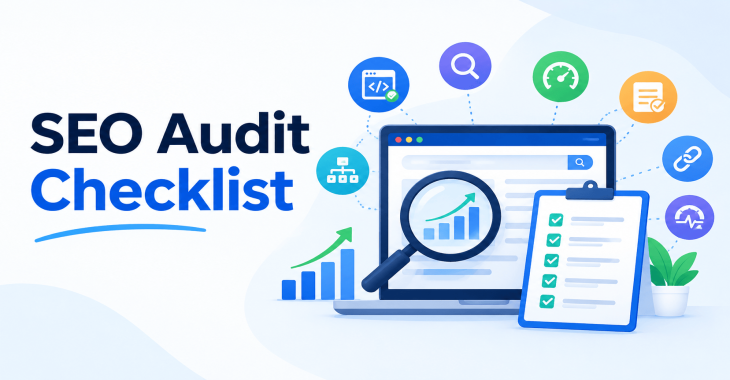
A thorough SEO audit helps uncover issues that block search engines from understanding and ranking your pages. This checklist covers more than 50 concrete steps you can follow to audit your website end-to-end. Use it as a practical, repeatable process rather than a one-off task.
Why an SEO audit matters?
Regular audits reveal technical problems, content gaps, and opportunities to improve user experience. An effective SEO audit checklist keeps your site fast, crawlable, and relevant to your target audience. The goal is to improve organic visibility without sacrificing site quality.
Planning and scope
- Define objectives
- Identify primary goals (traffic, conversions, revenue) and how SEO contributes.
- Decide on reporting cadence and stakeholders.
- Map the site
- Create a sitemap of current URLs.
- Prioritize pages by traffic, conversions, and strategic importance.
- Choose tools
- Select a primary crawl tool, a speed test tool, and a analytics platform.
- Standardize metrics to compare across audits.
- Establish benchmarks
- Record baseline metrics for crawl errors, load times, and rankings.
- Note any recent changes that could affect SEO performance.
READ MORE: SEO for Beginners: A Complete Guide to SEO Basics
Technical foundations
Crawlability and indexation
- Robots.txt and crawling directives
- Review the robots.txt file for allowed/disallowed paths.
- Ensure important pages aren’t blocked unintentionally.
- XML sitemap
- Verify the sitemap is accessible and submitted in Search Console.
- Check that it's up to date and includes canonical versions of pages.
- URL structure
- Maintain clean, descriptive URLs with hyphens.
- Avoid dynamic parameters that create duplicate content.
- Canonicalization
- Implement canonical tags to resolve duplicate content issues.
- Check for multiple canonical tags on the same page.
- Index coverage and status
- Inspect index status for pages that aren’t indexed or are indexed incorrectly.
- Identify and fix non-canonical or thin content issues flagged by search engines.
Site speed and performance
- Core Web Vitals
- Assess LCP, FID, and CLS across desktop and mobile.
- Prioritize fixes that directly impact user experience.
- Front-end performance
- Minimize render-blocking resources.
- Optimize images and use modern formats (e.g., WebP) where possible.
- Server response
- Check time to first byte (TTFB) and server uptime.
- Review hosting, caching, and CDN configuration.
Security and accessibility
- HTTPS enforcement
- Confirm all pages load over HTTPS and that any mixed content is resolved.
- HTTPS redirects
- Ensure proper redirect chains and minimal redirect hops.
- Accessibility basics
- Verify alt text on images, semantic HTML, and aria labels where appropriate.
- Test with keyboard navigation and screen readers for critical pages.
READ MORE: Technical SEO Checklist: 25+ Essential Checks for Better Rankings
On-page element checks
Content and relevance
- Page-level optimization
- Ensure each page has a unique, descriptive title tag.
- Meta description should reflect content and provide a clear call to action.
- Headings and semantic structure
- Use H1 for the main page topic, with logical H2/H3 subsections.
- Avoid over-optimization with keyword stuffing in headings.
- Target keywords
- Align on-page content with the primary keyword and related terms.
- Maintain natural writing and reader-focused intent.
- Internal linking
- Create a logical internal link graph to spread authority.
- Use descriptive anchor text that conveys the destination page’s value.
- Content length and quality
- Balance comprehensive coverage with readability.
- Update or prune thin or outdated content.
Images and media
- Alt text accuracy
- Provide descriptive alt text that reflects the image purpose.
- Filename and sizing
- Use descriptive image file names and appropriate dimensions.
- Lazy-load off-screen images to improve perceived performance.
- Structured media
- Include captions and structured data where relevant (e.g., recipes, products).
Structured data
- Schema markup
- Implement appropriate schema for articles, products, breadcrumbs, and FAQs.
- Validate with a structured data tester to avoid syntax errors.
- Rich results eligibility
- Ensure content formats align with supported rich results in your niche.
READ MORE: On-Page SEO Checklist: 25+ Steps to Optimize Your Website
Content and user experience
Content inventory and audit
- Content duplication
- Identify duplicate or near-duplicate content across pages.
- Implement canonicalization or consolidate content where feasible.
- Content freshness
- Mark outdated content for updates or removal.
- Schedule periodic reviews for evergreen content.
- Content hierarchy
- Ensure clear topic clusters with pillar pages and supporting articles.
- Use internal links to connect related content.
Conversion-oriented improvements
- Calls to action
- Place clear, relevant CTAs on high-intent pages.
- A/B test CTA copy and placement where possible.
- UX signals
- Check for intrusive interstitials on mobile that hinder accessibility.
- Ensure mobile navigation is intuitive and fast.
Localization and international SEO
- Hreflang and regional targeting
- Confirm hreflang tags reflect language and region targets.
- Avoid cross-region canonical conflicts.
- Local signals
- For local businesses, verify NAP consistency, Google Business Profile, and localized content.
READ MORE: SEO Content Strategy: A Step-by-Step Guide to Higher Rankings
Tech auditing by tool output
Google Search Console (GSC)
- Coverage report
- Review errors and valid pages to understand indexation issues.
- Fix issues like soft 404s and blocked resources promptly.
- Enhancement reports
- Check AMP, breadcrumbs, and FAQ enhancements if applicable.
- URL parameter handling
- Review parameter handling to prevent duplication and crawl waste.
Google Analytics and tagging
- Tracking integrity
- Verify that tracking codes fire on all key pages.
- Check for duplicate pageview events and data gaps.
- Goal and conversion setup
- Confirm goals align with business objectives.
- Validate attribution models and conversion paths.
Web performance tooling
- Speed testing
- Run Lighthouse or an equivalent audit to surface performance opportunities.
- Prioritize fixes that reduce render time and JS execution.
- Resource sizing
- Identify oversized scripts and assets that slow down rendering.
- Consider code-splitting and reducing third-party scripts.
READ MORE: SEO Audit for Small Business: Complete Step-by-Step Guide
Link profile assessment
- Backlink quality and relevance
- Review the overall domain authority and the quality of linking domains.
- Identify toxic or low-quality links and plan disavow actions if needed.
- Internal link health
- Ensure important pages receive adequate internal links.
- Remove orphaned pages or create internal pathways.
- Outreach and content promotion
- Develop a plan to earn high-quality, relevant backlinks through content/assets.
READ MORE: Topical Authority in SEO: What It Is & How to Build It?
Automation and governance
- Audit cadence
- Establish a quarterly or semi-annual audit schedule.
- Assign owners for each audit area and track action items.
- Documentation
- Maintain a living audit notebook with findings and changes.
- Create standardized templates for recurring checks.
- Change management
- Review major site updates for SEO impact before deployment.
- Implement a rollback plan for any negative SEO effects.
50+ actionable steps recap
- Crawlability: robots.txt, XML sitemap, URL structure, canonicalization, index status.
- Speed: Core Web Vitals, render-blocking resources, image optimization, caching.
- Security: HTTPS, redirects, mixed content, uptime.
- Accessibility: alt text, semantic HTML, keyboard/navigation tests.
- On-page: titles, meta descriptions, headings, internal linking, content quality.
- Media: image optimization, captions, structured data for media.
- Structured data: schema types, validation, rich results readiness.
- Content: duplication, freshness, topic clusters, pillar pages.
- UX: intrusive interstitials, mobile navigation, CTAs.
- Localization: hreflang, local signals, regional content.
- Analytics: GSC coverage, enhancements, URL parameters, Analytics tagging.
- Performance: Lighthouse scores, script optimization, third-party scripts.
- Links: external back-links quality, internal link graph, disavow strategy.
- Governance: audit cadence, documentation, change management, ownership.
READ MORE: How to Improve Organic Traffic: 15 Proven SEO Strategies
Practical workflow example
- Week 1: Crawl and index status
- Run a full crawl, export errors, and fix blocking resources in bulk.
- Review sitemap and ensure it includes canonical versions only.
- Week 2: On-page and content
- Audit page titles, meta descriptions, and H1s for alignment with target keywords.
- Identify thin content and consolidate or prune as needed.
- Week 3: Technical performance
- Triage Core Web Vitals issues and optimize images and scripts.
- Validate HTTPS and fix any mixed content warnings.
- Week 4: Link and risks
- Analyze backlink quality and plan disavow in cases of harmful links.
- Review internal linking structure for dead ends and orphan pages.
Tools and checklists you can reuse
- Checklists
- Create a master SEO audit checklist with responsible owners and due dates.
- Maintain versioned templates for consistent audits.
- Dashboards
- Build a dashboard that tracks core SEO metrics and progress on action items.
- Visualize weekly or monthly changes to help stakeholders see impact.
- Reports
- Produce a concise executive summary with prioritized fixes.
- Include concrete next steps and owners in every report.
READ MORE: How to Do SEO for a Website: A Step-by-Step Guide
Takeaways
A comprehensive SEO audit checklist helps you systematically identify and fix issues that hinder your site’s performance. By combining technical checks, on-page optimization, content quality, and governance, you create a solid foundation for sustainable organic growth. Use this SEO audit checklist as a repeatable process to keep your website healthy and competitive.
Recent Blogs
-
Keyword Clustering SEO: How to Group Keywords for Better Rankings
Posted ::2026-09-12
-
SEO Audit Checklist: 50+ Steps to Audit Your Website
Posted ::2026-09-11
-
SEO Content Strategy: A Step-by-Step Guide to Higher Rankings
Posted ::2026-09-10
-
SEO for Beginners: A Complete Guide to SEO Basics
Posted ::2026-09-09
-
Technical SEO Checklist: 25+ Essential Checks for Better Rankings
Posted ::2026-09-08



Our FAQ’s
What is digital marketing?
Digital marketing involves marketing to people using Internet-connected electronic devices, namely computers, smartphones and tablets. Digital marketing focuses on channels such as search engines, social media, email, websites and apps to connect with prospects and customers.
What does a digital marketer do?
Digital marketing has evolved to the point where an immense array of specialists consult with brands to develop effective strategies or implement programs. If you’re new to digital marketing, or lack experience or resources, you should consider engaging an experienced and versatile digital marketing consultant.
Would my business benefit from digital marketing?
Definitely. Though companies in many business categories continue to approach digital marketing with skepticism, avoiding digital marketing denies your business access to the media the majority of consumers turn to first and at all hours of the day.
What’s the biggest mistake digital marketers make?
Blowing their own horn. Yes, of course, the primary goal of marketing is to create leads. However, in the age of digital media a brand-centric, salesy approach deflects interest in your company. Make your marketing customer-centric. Second biggest mistake: Far too often, digital marketers start and stop. You need to contribute a steady flow of content to the channels you use.
How often should I update my website?
Websites that go for long periods with no updates and new content are unlikely to perform well or support any useful digital marketing objectives. Though a static website technically qualifies as a website it’s bound to be more than a digital brochure that produces little or no leads.
What do I need to know about mobile?
Mobile phones are the most used technology in the world. Most of your prospects spend the majority of their media time—and hours—using a smartphone. Mobile marketing focuses on mobile strategies like messaging, mobile applications, and mobile websites. A brand that ignores mobile marketing is doomed.
What is content marketing?
Content marketing is the creation and distribution of educational and/or entertaining information assets for the purpose of generating brand awareness, traffic, leads and sales. Marketing content is generally free and does not explicitly promote your brand as an ad would.
What’s involved in creating a content marketing strategy?
A content marketing strategy is a plan for building an audience. Elements of content marketing strategy include establishing objectives, audience personas, a value proposition, content marketing mission statement, a buyer journey map, and plans for creating, promoting and analyzing how content marketing assets and programs perform.
Do I need a blog?
Email, social media, search and other elements of your digital marketing mix will depend on delivering useful content. Though video outlets, podcasts, and media galleries present other options, a blog is by far the most used tactic for distributing marketing content on a channel over which you have complete control.
What content should we create?
There can be no all-encompassing answer to this question except to say you should create content buyers will find relevant and useful. Leading candidates include blog posts, articles, ebooks, infographics, microsites, videos, courses, case studies, newsletters, visuals and various forms of interactive content.
What is SEO?
Search engine optimization (SEO) is the process of using onsite and offsite tactics to help get content presented by a search engine. Done well, the practice increases the quantity and quality of your traffic.
Why is SEO important?
The majority of web traffic is generated by search and those that come by way of search have a greater degree of commercial intent than most other channels.
What is local SEO?
Local SEO is the process of optimizing your online properties to generate traffic from location-based searches. It helps businesses promote products and services to local customers when they need them.
What are keywords?
Keywords are the words and phrases searchers use—usually with search engines—to find relevant pages, images, videos, or any kind of information when looking for answers, knowledge, products, or services. SEO professionals consider keywords and the topics they suggest when optimizing content for search.
What determines search engine rankings?
This question is the source of endless speculation and debate because search engine companies such as Google will not answer it. Experts generally agree rankings are based on relevance and authority, but the factors that determine them are many—and inconsistent. The best way to achieve a high search engine ranking is to create one of the most thorough web pages possible for a specific keyword or topic.
What is PPC?
PPC stands for pay-per-click. Essentially, it’s a way of buying web traffic. Advertisers pay a fee each time one of their ads is clicked. Search engine advertising is the most popular form of PPC, however numerous channels including Facebook now offer PPC ad models.
Why is social media important?
Chances are your audience is active on one or more of the major social networks where billions of people spend time daily. Brands that understand the power of social media marketing and commit resources to it can boost awareness, drive traffic, interact with customers, drive sales, build loyalty, and win advocates.
What is a lead magnet?
A lead magnet is a free offer you make in exchange for an email address (and possibly additional information). The purpose is to inspire prospects to join your email list by offering something of value. Examples include an ebook, guide, report, assessment, cheat sheet, tool, template, webinar, course, or a coupon.
What is a call to action?
A call to action (CTA) is a prompt that instructs the viewer to take a specific action. A call to action is typically written as a command, such as “Buy Now.” In digital marketing a CTA generally takes the form of a button or link.
How long does it take to see results?
Paid digital marketing programs should create results immediately. On the other hand, programs such as content marketing, email list building, and search engine optimization require persistence and patience. You might see some results in a matter of months; however, it’s likely to be six months to a year before you realize some of your traffic and conversion objectives.