

How to Remove Fake Google Reviews: Step-by-Step Guide
- Kruti Varma /
- 2026-08-30 /
Fake Google reviews can distort a business’s online reputation and mislead potential customers. This guide walks you through proven steps to identify, report, and remove fake Google reviews efficiently. You’ll learn what counts as fake, how Google processes removals, and the best practices to minimize future abuse.
If you’re dealing with fake reviews, start with a plan. Gather evidence, flag appropriately, and work through official channels. The goal is to have fraudulent content removed while preserving legitimate customer feedback.
1. Identify and document fake Google reviews
First, confirm that the review violates Google's policies. Common red flags include:
- Clearly unrelated content or off-topic statements
- Review from accounts with no local connection to your business
- Conflicts of interest, such as a competitor posting negative feedback
- Opinionated language that crosses into harassment or defamation
- Repeated reviews from the same user or coordinated posting
Next, collect evidence to support your case. Useful items include:
- Screenshots of the review page showing the offending post
- The reviewer’s public profile URL (if available)
- Dates and times of the posts
- Any patterns, such as multiple reviews from the same IP or account
- Screenshots of any replies you or others posted to the review
Documentation helps when you file a report and increases the odds of a swift removal.
READ MORE: Google Business Profile Reviews: Complete Guide to Getting, Managing & Responding to Reviews
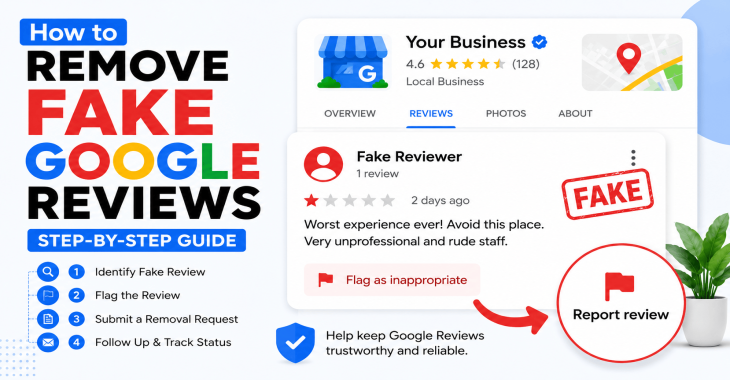
2. Flag the review for policy violations
Google provides several avenues to flag or report reviews that violate policy. Start with the inline reporting option:
- Open Google Maps or Google Business Profile.
- Locate the review you want to remove.
- Click the three dots next to the review and choose “Flag as inappropriate” or “Report as inappropriate.”
When flagging, describe how the review violates policy. Stick to observable facts rather than opinions about the reviewer. For example:
- “This review contains no firsthand experience with our business.”
- “The review is posted by a user with no verifiable local connection.”
- “The content is defamatory and uses harassing language.”
If the option isn’t visible, use Google’s Help Center to access the appropriate form. Provide the link to the review and your supporting documentation.
3. Submit a formal removal request with evidence
For more persistent or severe cases, submit a formal removal request through Google’s support channels. This may involve:
- Accessing the Google Business Profile Manager
- Navigating to Support or Help > Contact Us
- Selecting the option for reviews and ratings, then “Remove a review”
In your request, include:
- A concise description of why the review is fake or violates policy
- The exact URL of the review
- Dates and times of posting
- Evidence collected in Step 1
Be precise and avoid emotional language. Clear, factual input reduces back-and-forth and speeds up processing.
4. Leverage legal and policy options when necessary
Not all fake reviews qualify for removal, but some do, especially when they involve defamation, threats, or false statements about a business’s services. If you have legal grounds, consider:
- Consulting with counsel on defamation implications
- Requesting removal under applicable terms of service or local laws
- Providing a formal cease-and-desist letter if warranted
Coordinate with Google support during this process. Do not pursue public shaming or ad hominem responses; these can backfire and draw more attention to the fake content.
5. Respond professionally to the remaining or affected reviews
While awaiting removal, respond to fake reviews with a measured, factual reply. This demonstrates transparency and helps future customers understand the situation.
Guidelines for responses:
- Acknowledge the reviewer’s concerns without admitting wrongdoing
- State your commitment to customer satisfaction and invite direct contact
- Explain standard policies or services that might address their issues
- Avoid naming the reviewer or probing into personal details
Public responses should be calm and concise. Pair them with genuine follow-up actions, such as offering refunds or rebookings when appropriate.
READ MORE: How to Get More Google Reviews: 15 Proven Strategies for Local Businesses
6. Increase resilience: prevent future fake reviews
Prevention reduces the frequency of fake reviews and speeds up their removal when they occur.
Practical steps:
- Encourage authentic reviews from real customers through follow-up emails or in-person requests
- Verify customers via purchase or service interactions before posting prompts
- Implement a clear review policy on your website and Google profile
- Monitor reviews regularly and flag suspicious activity quickly
Automation can help as well. Use tools that alert you to new reviews containing unusual language or patterns, enabling faster review and response.
7. Analyze the impact and adjust strategy
After a removal, assess how the incident affected your business and take corrective steps.
Metrics to track:
- Time from posting to removal
- Number of reviews flagged and removed
- Changes in average rating after removal attempts
- Customer sentiment in responses and follow-up reviews
Use these insights to refine your approach to both content moderation and customer outreach.
8. When to escalate to higher levels of support
If you’ve followed standard procedures and the review remains, escalate. Steps to take include:
- Re-contacting Google Support with all evidence and ticket numbers
- Requesting a supervisor review or a higher priority case
- Providing any additional documentation that strengthens your claim
Persistence is often required. Ensure your communications remain professional and focused on policy violations rather than personalities.
9. Avoid common mistakes
Some businesses make missteps that complicate removal efforts. Common pitfalls to avoid:
- Spamming the removal queue with multiple reports
- Responding publicly with heated language or accusations
- Ignoring the evidence collection step
- Using private or sensitive customer data in responses or internal notes
Keep a steady, evidence-driven approach to maximize effectiveness.
READ MORE: Why Are My Google Business Profile Reviews Not Showing? 10 Reasons & Fixes
10. Alternatives to removal: mitigation and recovery
If removal proves challenging, focus on mitigation and recovery to preserve trust.
Options include:
- Generating positive, authentic reviews from satisfied customers
- Highlighting verified testimonials on your site
- Encouraging customers to share detailed, service-specific feedback
- Using reputation management tools to surface authentic reviews and respond promptly
A well-rounded strategy reduces the impact of any remaining fake reviews.
11. Best practices for large businesses and multi-location operations
Larger operations face unique challenges with fake reviews across locations.
Strategies:
- Centralize review monitoring with a dedicated team
- Create location-specific policies for review requests and responses
- Use standardized templates for escalation and reporting
- Schedule regular audits of reviews by location to catch anomalies early
Consistency across locations helps reduce the risk of coordinated fake reviews.
12. Legal and policy considerations to keep in mind
Not every false statement qualifies as a removable review. Stay mindful of:
- Defamation and false statements that could expose you to legal risk
- Privacy considerations when handling reviewer data
- Google's evolving policies and how they affect removal eligibility
- The importance of maintaining credible evidence to support claims
Regular policy checks help you stay aligned with current rules.
READ MORE: How to Create a Google Review Link and QR Code for Your Business?
13. A checklist for removing fake Google reviews
- Confirm the review violates Google policy
- Gather evidence: screenshots, URLs, dates, reviewer info
- Flag the review through the Google interface
- Submit a formal removal request with precise details
- If needed, escalate to Google Support with documentation
- Respond professionally to remaining or affected reviews
- Implement prevention and monitoring measures
- Review performance after removal and adjust strategy
This checklist keeps removal efforts organized and repeatable.
14. Tools and resources
- Google Business Profile help center
- Google Maps reporting options
- Professional reputation management software (for monitoring and alerts)
- Legal counsel for defamation or policy-related questions
Use trusted tools and official channels to avoid misinformation or scams.
READ MORE: Google Business Profile Optimization Guide (2026): Proven Tips to Rank #1 on Google Maps
Takeaways
Removing fake Google reviews requires clear documentation, adherence to policy, and persistence. Start with quick flagging, escalate when necessary, and pair removal efforts with proactive reputation management. A focused approach helps restore trust and protect your business’s online presence.
Recent Blogs
-
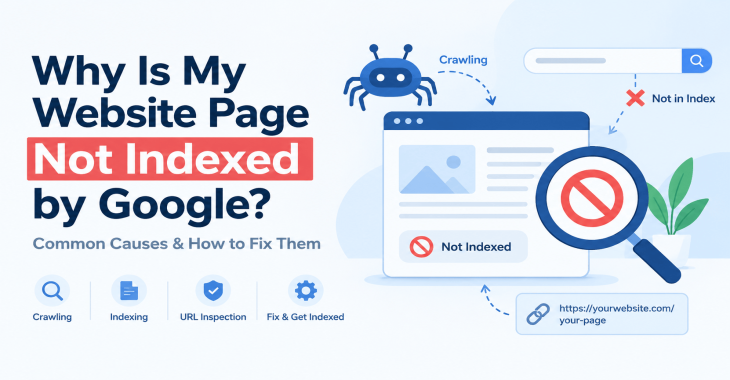
Why Is My Website Page Not Indexed by Google? 12 Reasons & How to Fix It
Posted ::2026-09-24
-
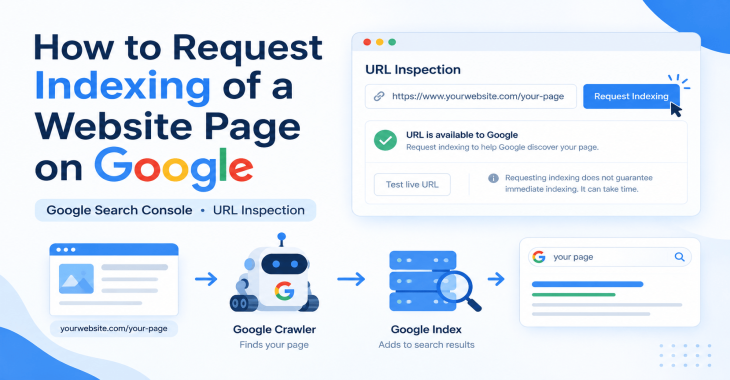
How to Request Indexing of a Website Page on Google?
Posted ::2026-09-19
-
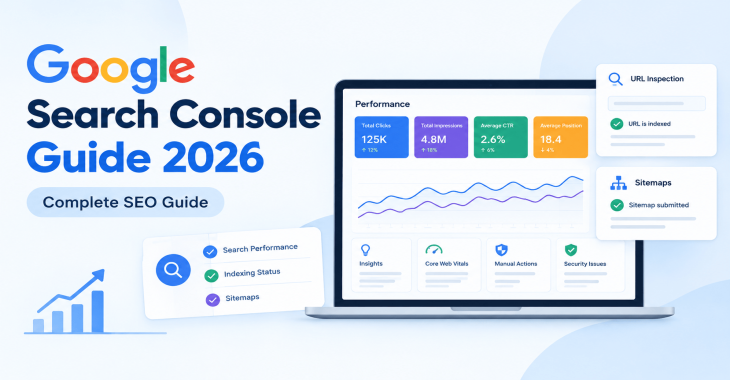
Google Search Console Guide 2026: Complete Beginner’s Guide
Posted ::2026-09-18
-
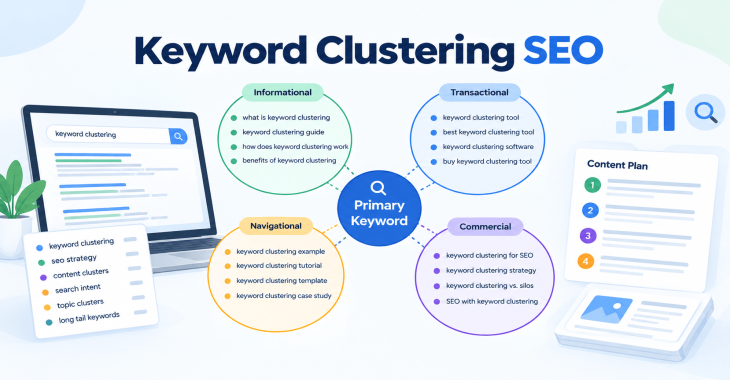
Keyword Clustering SEO: How to Group Keywords for Better Rankings
Posted ::2026-09-12
-
SEO Audit Checklist: 50+ Steps to Audit Your Website
Posted ::2026-09-11


Our FAQ’s
What is digital marketing?
Digital marketing involves marketing to people using Internet-connected electronic devices, namely computers, smartphones and tablets. Digital marketing focuses on channels such as search engines, social media, email, websites and apps to connect with prospects and customers.
What does a digital marketer do?
Digital marketing has evolved to the point where an immense array of specialists consult with brands to develop effective strategies or implement programs. If you’re new to digital marketing, or lack experience or resources, you should consider engaging an experienced and versatile digital marketing consultant.
Would my business benefit from digital marketing?
Definitely. Though companies in many business categories continue to approach digital marketing with skepticism, avoiding digital marketing denies your business access to the media the majority of consumers turn to first and at all hours of the day.
What’s the biggest mistake digital marketers make?
Blowing their own horn. Yes, of course, the primary goal of marketing is to create leads. However, in the age of digital media a brand-centric, salesy approach deflects interest in your company. Make your marketing customer-centric. Second biggest mistake: Far too often, digital marketers start and stop. You need to contribute a steady flow of content to the channels you use.
How often should I update my website?
Websites that go for long periods with no updates and new content are unlikely to perform well or support any useful digital marketing objectives. Though a static website technically qualifies as a website it’s bound to be more than a digital brochure that produces little or no leads.
What do I need to know about mobile?
Mobile phones are the most used technology in the world. Most of your prospects spend the majority of their media time—and hours—using a smartphone. Mobile marketing focuses on mobile strategies like messaging, mobile applications, and mobile websites. A brand that ignores mobile marketing is doomed.
What is content marketing?
Content marketing is the creation and distribution of educational and/or entertaining information assets for the purpose of generating brand awareness, traffic, leads and sales. Marketing content is generally free and does not explicitly promote your brand as an ad would.
What’s involved in creating a content marketing strategy?
A content marketing strategy is a plan for building an audience. Elements of content marketing strategy include establishing objectives, audience personas, a value proposition, content marketing mission statement, a buyer journey map, and plans for creating, promoting and analyzing how content marketing assets and programs perform.
Do I need a blog?
Email, social media, search and other elements of your digital marketing mix will depend on delivering useful content. Though video outlets, podcasts, and media galleries present other options, a blog is by far the most used tactic for distributing marketing content on a channel over which you have complete control.
What content should we create?
There can be no all-encompassing answer to this question except to say you should create content buyers will find relevant and useful. Leading candidates include blog posts, articles, ebooks, infographics, microsites, videos, courses, case studies, newsletters, visuals and various forms of interactive content.
What is SEO?
Search engine optimization (SEO) is the process of using onsite and offsite tactics to help get content presented by a search engine. Done well, the practice increases the quantity and quality of your traffic.
Why is SEO important?
The majority of web traffic is generated by search and those that come by way of search have a greater degree of commercial intent than most other channels.
What is local SEO?
Local SEO is the process of optimizing your online properties to generate traffic from location-based searches. It helps businesses promote products and services to local customers when they need them.
What are keywords?
Keywords are the words and phrases searchers use—usually with search engines—to find relevant pages, images, videos, or any kind of information when looking for answers, knowledge, products, or services. SEO professionals consider keywords and the topics they suggest when optimizing content for search.
What determines search engine rankings?
This question is the source of endless speculation and debate because search engine companies such as Google will not answer it. Experts generally agree rankings are based on relevance and authority, but the factors that determine them are many—and inconsistent. The best way to achieve a high search engine ranking is to create one of the most thorough web pages possible for a specific keyword or topic.
What is PPC?
PPC stands for pay-per-click. Essentially, it’s a way of buying web traffic. Advertisers pay a fee each time one of their ads is clicked. Search engine advertising is the most popular form of PPC, however numerous channels including Facebook now offer PPC ad models.
Why is social media important?
Chances are your audience is active on one or more of the major social networks where billions of people spend time daily. Brands that understand the power of social media marketing and commit resources to it can boost awareness, drive traffic, interact with customers, drive sales, build loyalty, and win advocates.
What is a lead magnet?
A lead magnet is a free offer you make in exchange for an email address (and possibly additional information). The purpose is to inspire prospects to join your email list by offering something of value. Examples include an ebook, guide, report, assessment, cheat sheet, tool, template, webinar, course, or a coupon.
What is a call to action?
A call to action (CTA) is a prompt that instructs the viewer to take a specific action. A call to action is typically written as a command, such as “Buy Now.” In digital marketing a CTA generally takes the form of a button or link.
How long does it take to see results?
Paid digital marketing programs should create results immediately. On the other hand, programs such as content marketing, email list building, and search engine optimization require persistence and patience. You might see some results in a matter of months; however, it’s likely to be six months to a year before you realize some of your traffic and conversion objectives.