

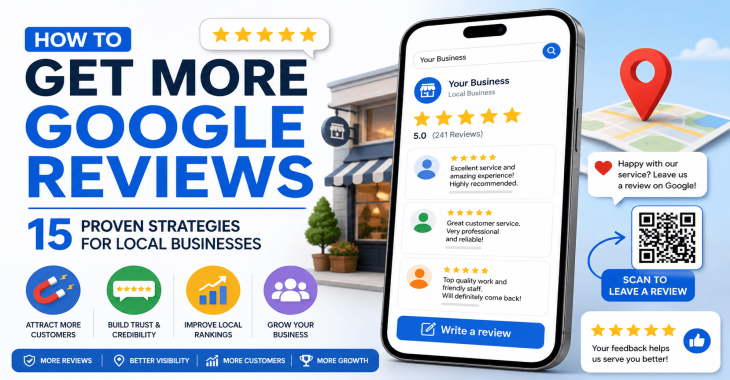
How to Get More Google Reviews: 15 Proven Strategies for Local Businesses
- Kruti Varma /
- 2026-08-27 /
Getting more Google reviews is a practical way to boost visibility, trust, and conversions for local businesses. This article provides 15 proven strategies to help you increase the volume and quality of Google reviews without resorting to gimmicks.
A strong review profile improves search results, maps rankings, and consumer confidence. Implement these techniques to encourage customers to leave honest, helpful feedback.
1. Set Up a Review-Friendly foundation
- Ensure your Google Business Profile is complete and accurate.
- NAP (Name, Address, Phone) should match across all listings.
- Add hours, services, and high-quality photos.
- Enable Google reviews on your profile and make the review link easy to find.
- Create a dedicated "Leave a Review" page on your website that points to Google.
Clear, accessible foundations reduce friction when customers are ready to leave feedback. When a profile is complete, customers feel confident about who they are rating and why.
READ MORE: Google Business Profile Optimization Guide (2026): Proven Tips to Rank #1 on Google Maps
2. Make It Easy to Leave a Review
Direct review link in multiple touchpoints
- Post the review link in confirmation emails after a purchase or service completion.
- Include the link on receipts, invoices, or appointment reminders.
- Add QR codes in-store or at the counter that open the review page.
Shorten and customize the link
- Use a URL shortener or QR code service to produce a clean link.
- Create a custom short alias that’s easy to remember and type.
A simple, visible path from interaction to review submission increases completion rates.
3. Timing Matters: Ask at the Right Moment
- Request a review soon after the customer has had a positive experience.
- Use a post-service checklist to identify moments when satisfaction is high.
- Avoid asking during problems or long wait times.
Customers are most likely to leave a review when the memory of the service is fresh and the outcome is favorable.
4. Leverage Email and SMS Campaigns
- Send a brief post-purchase email with one clear call-to-action: “Leave a Google review.”
- Segment by customer type and tailor the messaging to recent experiences.
- Send a single reminder if the first request is not acted upon.
SMS can be effective where email reach is limited, but respect opt-out preferences and local regulations. Keep messages concise and include the direct review link.
5. Use Signage and In-Store Prompts
- Place signage at the front desk, checkout, or service area that invites reviews.
- Include a short, friendly message and the review link or QR code.
- Train staff to mention reviews during the service handoff.
In-person prompts remind customers while experiences are still top-of-mind, increasing the likelihood of a review.
6. Create a Review Funnel for Different Customer Segments
- Identify segments (new customers, repeat customers, high-value clients).
- Tailor review requests to each segment’s experience level and relationship with your business.
- Track which segments produce the most useful reviews.
A structured funnel helps you target requests where customers are most likely to respond positively.
7. Encourage Honest Feedback, Not Just Five-Star Praise
Emphasize authenticity
- Encourage customers to share specific details about what stood out.
- Avoid prompting only positive feedback; allow constructive criticism.
Manage negative reviews constructively
- Respond promptly and professionally.
- Address issues publicly and offer to resolve offline.
Authentic, high-quality reviews build more trust than a flood of generic positives.
8. Optimize Your Google Review Responses
- Respond to every review, both positives and negatives.
- Thank reviewers by name when possible, and reference specific details.
- Use responses to highlight improvements and ongoing commitments.
Active engagement shows future customers that you value feedback and care about service quality.
9. Build a Review-Driving Reputation Program
- Create a simple internal process for requesting reviews.
- Assign responsibility to a team member or rotate requests to avoid fatigue.
- Track results with a simple dashboard: number of reviews, average rating, and response rate.
A formal program keeps review requests consistent and scalable.
READ MORE: How to Create Google Business Profile Posts That Generate Leads?
10. Automate Where Appropriate, with Human Oversight
- Use automation to trigger a review request after a transaction.
- Personalize automated messages to feel genuine.
- Maintain a cadence that avoids nagging or spam.
Automation can scale your efforts without sacrificing quality, as long as there’s a human touch in the messaging.
11. Offer Incentives with Caution
- Focus on non-monetary incentives, like entry into a drawing for future services.
- Never offer discounts or freebies specifically in exchange for a positive review.
- Make incentives conditional on leaving any review, not a favorable one.
Incentives should encourage honest participation and not bias the review content.
12. Highlight Reviews on Your Digital Channels
- Display select positive reviews on your website's homepage or service pages.
- Share good reviews in social media posts with permission.
- Create a rotating widget that showcases fresh feedback.
Publicly sharing reviews reinforces credibility and can prompt others to contribute.
13. Partner with Complementary Local Businesses
- Establish cross-promotions that encourage customers to leave reviews on both profiles.
- Exchange guest posts, referrals, or bundled offers that drive engagement.
Partnerships broaden your reach and create more touchpoints for review requests.
14. Use Data to Refine Your Strategy
- Track which channels yield the most reviews (email, SMS, in-store prompts).
- Monitor the sentiment and common themes in reviews to adjust service delivery.
- Periodically refresh your messaging to keep it relevant and effective.
Data-driven adjustments prevent stagnation and keep your approach fresh.
15. Maintain Compliance and Ethical Standards
- Comply with platform guidelines for reviews and business practices.
- Do not solicit reviews from non-customers or in ways that manipulate ratings.
- Respect user privacy and data protection laws in your region.
Ethical practices protect your reputation and prevent penalties or removal of reviews.
READ MORE: Google Business Profile Reviews: Complete Guide to Getting, Managing & Responding to Reviews
Extra Tips: Crafting Copy that Works
- Be direct: “Please leave us a Google review about your recent visit.”
- Mention a benefit: “Your feedback helps other neighbors find reliable local service.”
- Keep it short: a single sentence with a direct link works well.
Aim for clarity and usefulness in every request. Customers respond to straightforward, respectful prompts.
Wrapping Up
Implementing these 15 strategies will help you get more Google reviews from a range of customers. Prioritize simplicity, timing, and thoughtful messaging, and use a structured process to sustain the effort over time. A steady stream of honest feedback strengthens your online presence and attracts more local business.
Recent Blogs
-
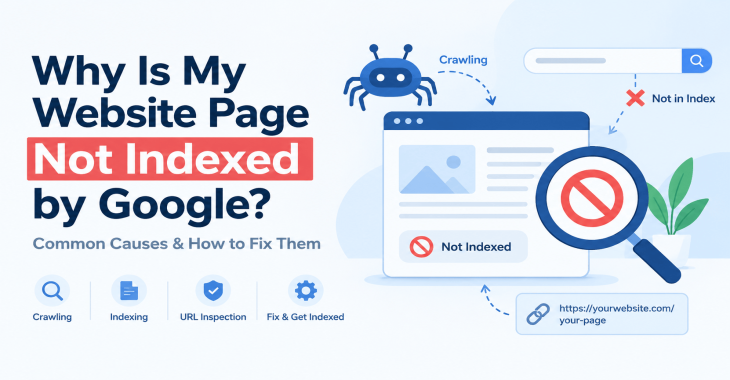
Why Is My Website Page Not Indexed by Google? 12 Reasons & How to Fix It
Posted ::2026-09-24
-
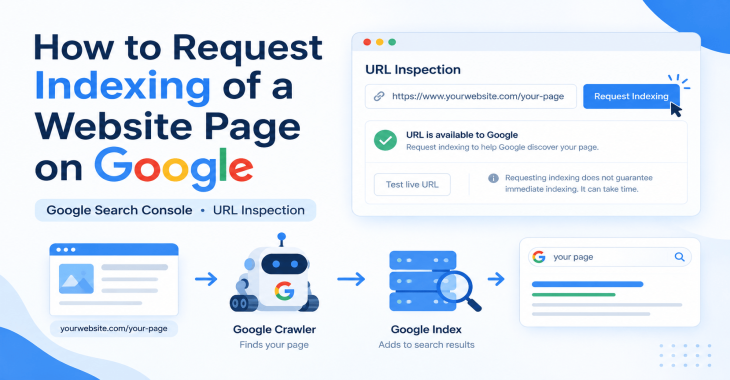
How to Request Indexing of a Website Page on Google?
Posted ::2026-09-19
-
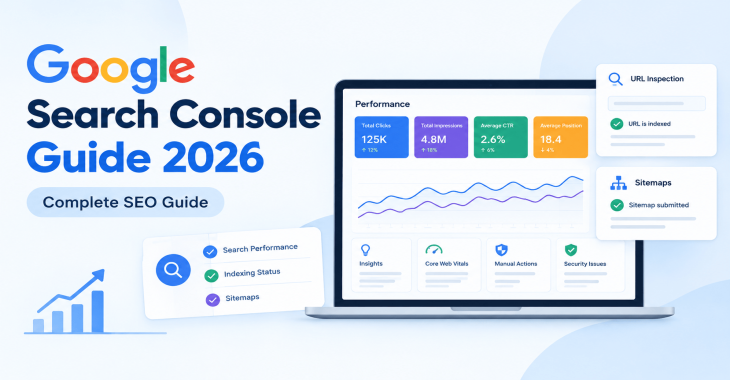
Google Search Console Guide 2026: Complete Beginner’s Guide
Posted ::2026-09-18
-
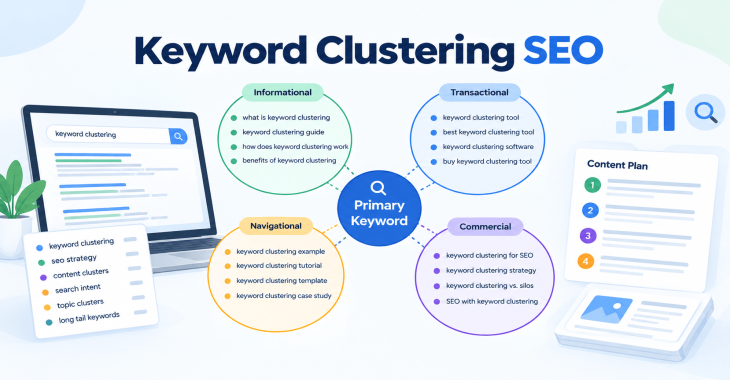
Keyword Clustering SEO: How to Group Keywords for Better Rankings
Posted ::2026-09-12
-
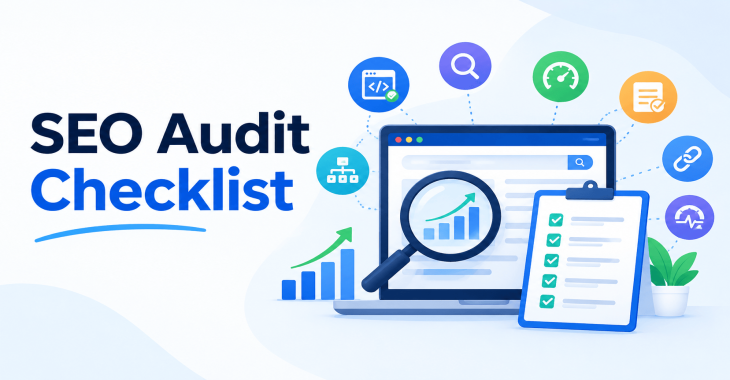
SEO Audit Checklist: 50+ Steps to Audit Your Website
Posted ::2026-09-11


Our FAQ’s
What is digital marketing?
Digital marketing involves marketing to people using Internet-connected electronic devices, namely computers, smartphones and tablets. Digital marketing focuses on channels such as search engines, social media, email, websites and apps to connect with prospects and customers.
What does a digital marketer do?
Digital marketing has evolved to the point where an immense array of specialists consult with brands to develop effective strategies or implement programs. If you’re new to digital marketing, or lack experience or resources, you should consider engaging an experienced and versatile digital marketing consultant.
Would my business benefit from digital marketing?
Definitely. Though companies in many business categories continue to approach digital marketing with skepticism, avoiding digital marketing denies your business access to the media the majority of consumers turn to first and at all hours of the day.
What’s the biggest mistake digital marketers make?
Blowing their own horn. Yes, of course, the primary goal of marketing is to create leads. However, in the age of digital media a brand-centric, salesy approach deflects interest in your company. Make your marketing customer-centric. Second biggest mistake: Far too often, digital marketers start and stop. You need to contribute a steady flow of content to the channels you use.
How often should I update my website?
Websites that go for long periods with no updates and new content are unlikely to perform well or support any useful digital marketing objectives. Though a static website technically qualifies as a website it’s bound to be more than a digital brochure that produces little or no leads.
What do I need to know about mobile?
Mobile phones are the most used technology in the world. Most of your prospects spend the majority of their media time—and hours—using a smartphone. Mobile marketing focuses on mobile strategies like messaging, mobile applications, and mobile websites. A brand that ignores mobile marketing is doomed.
What is content marketing?
Content marketing is the creation and distribution of educational and/or entertaining information assets for the purpose of generating brand awareness, traffic, leads and sales. Marketing content is generally free and does not explicitly promote your brand as an ad would.
What’s involved in creating a content marketing strategy?
A content marketing strategy is a plan for building an audience. Elements of content marketing strategy include establishing objectives, audience personas, a value proposition, content marketing mission statement, a buyer journey map, and plans for creating, promoting and analyzing how content marketing assets and programs perform.
Do I need a blog?
Email, social media, search and other elements of your digital marketing mix will depend on delivering useful content. Though video outlets, podcasts, and media galleries present other options, a blog is by far the most used tactic for distributing marketing content on a channel over which you have complete control.
What content should we create?
There can be no all-encompassing answer to this question except to say you should create content buyers will find relevant and useful. Leading candidates include blog posts, articles, ebooks, infographics, microsites, videos, courses, case studies, newsletters, visuals and various forms of interactive content.
What is SEO?
Search engine optimization (SEO) is the process of using onsite and offsite tactics to help get content presented by a search engine. Done well, the practice increases the quantity and quality of your traffic.
Why is SEO important?
The majority of web traffic is generated by search and those that come by way of search have a greater degree of commercial intent than most other channels.
What is local SEO?
Local SEO is the process of optimizing your online properties to generate traffic from location-based searches. It helps businesses promote products and services to local customers when they need them.
What are keywords?
Keywords are the words and phrases searchers use—usually with search engines—to find relevant pages, images, videos, or any kind of information when looking for answers, knowledge, products, or services. SEO professionals consider keywords and the topics they suggest when optimizing content for search.
What determines search engine rankings?
This question is the source of endless speculation and debate because search engine companies such as Google will not answer it. Experts generally agree rankings are based on relevance and authority, but the factors that determine them are many—and inconsistent. The best way to achieve a high search engine ranking is to create one of the most thorough web pages possible for a specific keyword or topic.
What is PPC?
PPC stands for pay-per-click. Essentially, it’s a way of buying web traffic. Advertisers pay a fee each time one of their ads is clicked. Search engine advertising is the most popular form of PPC, however numerous channels including Facebook now offer PPC ad models.
Why is social media important?
Chances are your audience is active on one or more of the major social networks where billions of people spend time daily. Brands that understand the power of social media marketing and commit resources to it can boost awareness, drive traffic, interact with customers, drive sales, build loyalty, and win advocates.
What is a lead magnet?
A lead magnet is a free offer you make in exchange for an email address (and possibly additional information). The purpose is to inspire prospects to join your email list by offering something of value. Examples include an ebook, guide, report, assessment, cheat sheet, tool, template, webinar, course, or a coupon.
What is a call to action?
A call to action (CTA) is a prompt that instructs the viewer to take a specific action. A call to action is typically written as a command, such as “Buy Now.” In digital marketing a CTA generally takes the form of a button or link.
How long does it take to see results?
Paid digital marketing programs should create results immediately. On the other hand, programs such as content marketing, email list building, and search engine optimization require persistence and patience. You might see some results in a matter of months; however, it’s likely to be six months to a year before you realize some of your traffic and conversion objectives.