

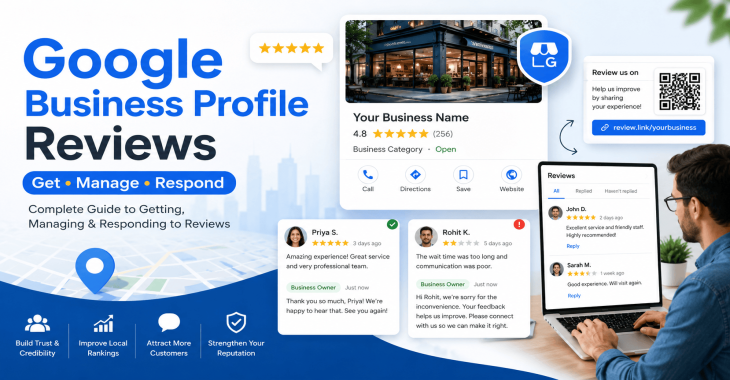
Google Business Profile Reviews: Complete Guide to Getting, Managing & Responding to Reviews
- Kruti Varma /
- 2026-08-25 /
Google Business Profile Reviews matter for local visibility, trust, and customer engagement. This guide covers how to obtain reviews, manage them effectively, and respond in ways that maximize impact.
Introduction
Google Business Profile Reviews influence how prospective customers perceive your business. They can affect search rankings, click-through rates, and trust signals. This guide outlines practical steps to generate, monitor, and respond to reviews for Google Business Profile.
What are Google Business Profile Reviews?
- User-generated feedback left on your Google Business Profile.
- Displayed publicly next to your business listing in search results and maps.
- Include star ratings, written comments, and timestamps.
- Can come from customers, clients, or partners with verified interaction.
Why reviews matter?
- Social proof: visible opinions from real patrons build credibility.
- Local SEO signal: quantity, quality, and recency of reviews influence local ranking.
- Engagement opportunities: responses show attentiveness and transparency.
Getting More Google Business Profile Reviews
Ask strategically
- Timing: request reviews after a successful interaction or transaction.
- Channel: ask in person, via email, SMS, or a thank-you receipt.
- Framing: keep requests simple and opt-in; avoid incentivizing reviews.
Make it easy
- Direct link: provide a direct Google review link in messages and websites.
- QR codes: place QR codes in-store that open the review form.
- Short guidance: briefly explain how to leave a review and what to include.
Leverage automation (carefully)
- Review widgets: add a widget to your website linking to Google reviews.
- CRM triggers: set reminders to request reviews after support tickets close.
- Avoid coercion: never require positive reviews or offer incentives for reviews.
Provide outstanding service
- Consistent quality: reliable products, clear communication, and timely follow-ups raise review probability.
- Issue resolution: resolve problems promptly; satisfied customers are more likely to share feedback.
- Experience prompts: ask customers who had a great experience to share details about what stood out.
Targeted strategies by business type
- Service-based businesses: request reviews after job completion; emphasize punctuality and workmanship.
- Retail: highlight product availability and store ambience; invite reviews about staff help.
- B2B: solicit reviews after project milestones; emphasize outcomes and collaboration.
READ MORE: Google Business Profile Optimization Guide (2026): Proven Tips to Rank #1 on Google Maps
Managing Google Business Profile Reviews
Monitoring reviews
- Regular checks: monitor daily for new reviews to respond promptly.
- Notify teams: create a simple workflow to route reviews to the right owner or manager.
- Filters: use the Google Business Profile dashboard to sort by rating, date, or response status.
Categorizing feedback
- Positive, neutral, negative: tag reviews to identify recurring themes.
- Actionable items: translate specific suggestions into improvement tasks.
- Compliance: flag reviews that violate policies (spam, conflicts of interest, or inappropriate content).
Responding to reviews
Best practices
- Timeliness: respond within 24-48 hours when possible.
- Personalization: address the reviewer by name and reference specifics from their review.
- Professional tone: maintain courtesy, even in response to negative feedback.
- Take the high ground: acknowledge, apologize if applicable, and outline steps to resolve.
Templates and prompts
- Positive review response:
- Thank you, [Name], for choosing us and for sharing your experience with [specific detail]. We’re glad [aspect] met your expectations. If there’s anything else we can assist with, let us know.
- Neutral review response:
- Thank you, [Name], for the feedback. We’re sorry to hear that [specific issue]. We’re looking into it and would like to make it right—please contact us at [phone/email].
- Negative review response:
- We’re sorry to hear you had trouble with [issue]. This isn’t the level of service we aim for. We’d like to investigate and resolve this. Please reach out at [contact] so we can discuss a solution.
Handling disputes and policy issues
- Avoid arguing: keep responses focused on resolution, not on disagreements.
- Escalation path: offer a direct line to a manager or support channel.
- Policy violations: for obvious fake or malicious reviews, use the “Flag inappropriate” option in Google.
Responding to reviews from a team
- Assign roles: designate who monitors reviews and who responds.
- Response library: maintain a set of approved templates to ensure consistency.
- Review performance: periodically audit responses for quality and policy compliance.
Responding to reviews on behalf of multiple locations
- Location-specific messaging: tailor responses to the context of each branch.
- Central guidelines: maintain brand voice and response standards across locations.
- Local customization: reference local events or store-specific details when relevant.
Handling reviews from competitors
- Do not engage in takedown or confrontation.
- Acknowledge the feedback, offer a resolution, and encourage visiting again.
Legal and ethical considerations
- Truthfulness: never fabricate experiences or quotes.
- Privacy: avoid disclosing sensitive information in responses.
- Compliance: follow platform policies and local advertising laws.
Using Google Business Profile Reviews in marketing
Showcasing reviews
- Testimonial content: selectively feature positive reviews in case studies or on-site displays (with consent).
- Review highlights: summarize common themes from feedback to illustrate strengths.
Addressing gaps
- Gap analysis: identify service or product areas with frequent negative feedback.
- Action plans: publish updates or improvements and reference these in responses.
Impact on local SEO
- Freshness signals: regular review activity signals ongoing engagement.
- Review quality: detailed reviews with specific mentions tend to be more valuable.
- Response signals: active responses to reviews can indirectly influence perceived trustworthiness.
READ MORE: How to Do Google Maps SEO: Complete Step-by-Step Guide
Common pitfalls and how to avoid them
Don't
- Incentivize reviews: this violates platform policies.
- Ignore negative reviews: silence creates more dissatisfaction.
- Copy-paste responses: appear insincere and reduce impact.
Do
- Personalize each reply: show you read the review.
- Focus on resolution: offer concrete next steps and contact information.
- Encourage continued engagement: invite reviewers to return and share updates.
Tools and resources
Google Business Profile features to leverage
- Review status: monitor for new reviews and respond directly in the dashboard.
- Message responses: reply to customer messages as part of engagement.
- Q&A: monitor and respond to questions from potential customers.
Third-party tools (scope varies)
- Reputation management platforms: aggregate reviews across channels and help with templates.
- Local listing management: synchronize responses across multiple profiles and locations.
Security and authenticity
Guarding against fake reviews
- Flag obvious fakes: use the platform’s reporting tools when reviews violate policies.
- Verify legitimacy: respond only to genuine interactions you’ve had with the reviewer.
Encouraging authentic engagement
- Request verifiable details: ask customers to mention specific aspects of their experience.
- Avoid generic language: encourage specifics to avoid superficial reviews.
Case studies and practical examples
Small cafe
- Strategy: post-visit prompts after a customer purchase; provide a direct review link.
- Outcome: increased review volume with an emphasis on service tempo and coffee quality.
- Response approach: thank the reviewer and highlight a plan to keep baristas trained.
Plumbing service
- Strategy: after job completion, send a brief email with a direct review link.
- Outcome: steady stream of reviews noting punctuality and problem resolution.
- Response approach: acknowledge issues raised and outline corrective steps.
What to do after receiving a negative review?
Immediate steps
- Do not ignore: respond promptly and professionally.
- Clarify: ask for more details privately to resolve the issue.
Long-term steps
- Analyze trends: identify recurring problems and implement changes.
- Communicate changes: inform customers via updates or new policies to demonstrate action.
Measuring success
Key metrics
- Review quantity: total number of new reviews over a given period.
- Review quality: average rating and sentiment distribution.
- Response rate: percentage of reviews that receive a response.
- Resolution rate: proportion of negative reviews that are resolved publicly or privately.
Review process checklist
Before you start
- Ensure ownership: the business claims and maintains the Google Business Profile.
- Collect consent: ensure staff and customers understand how their reviews may be used.
Ongoing workflow
- Daily: check for new reviews and respond as needed.
- Weekly: categorize feedback and assign action items.
- Monthly: review trends and adjust strategies.
READ MORE: How to Rank on Google Maps: Proven Local SEO Strategies
Conclusion or Takeaways
Google Business Profile Reviews are a critical component of local presence. By actively acquiring, monitoring, and responding to reviews, you build trust, improve service, and strengthen your online visibility. Maintain a professional tone, address issues promptly, and use insights from feedback to drive continuous improvement.
Recent Blogs
-
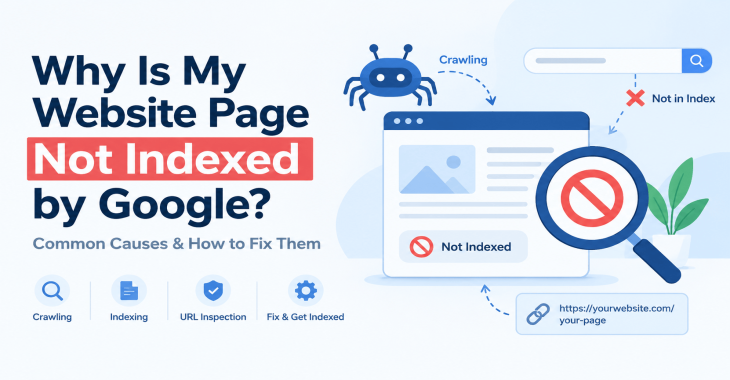
Why Is My Website Page Not Indexed by Google? 12 Reasons & How to Fix It
Posted ::2026-09-24
-
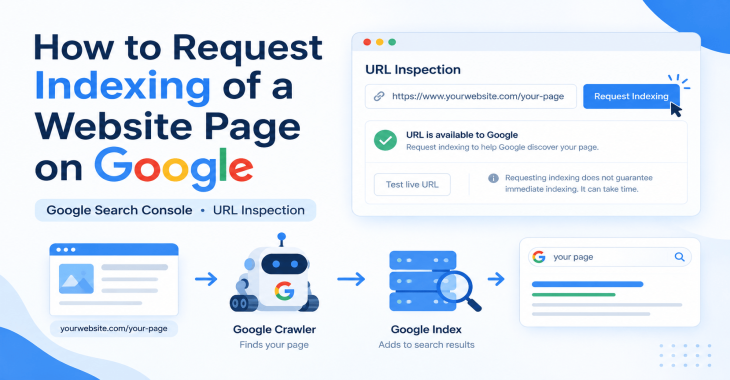
How to Request Indexing of a Website Page on Google?
Posted ::2026-09-19
-
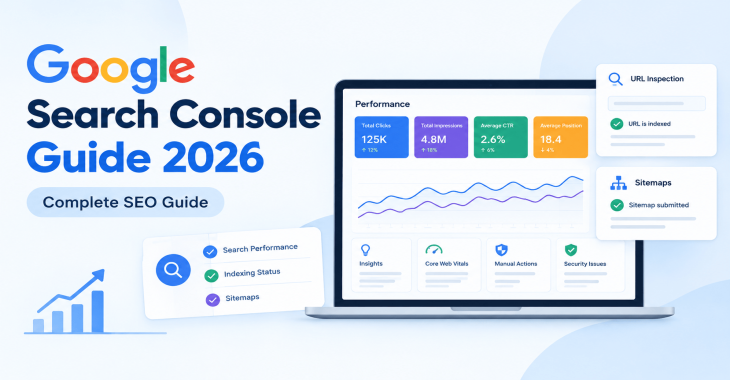
Google Search Console Guide 2026: Complete Beginner’s Guide
Posted ::2026-09-18
-
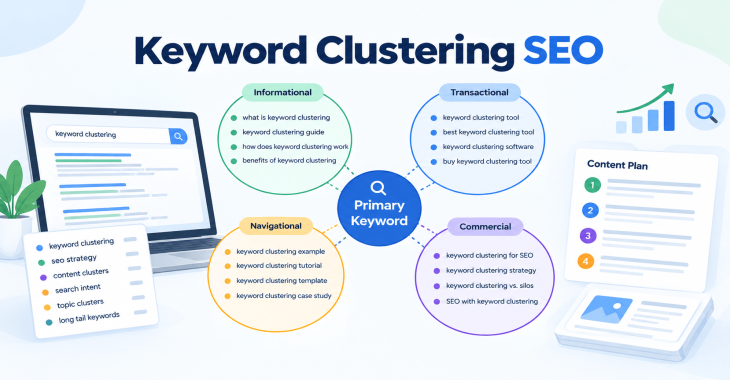
Keyword Clustering SEO: How to Group Keywords for Better Rankings
Posted ::2026-09-12
-
SEO Audit Checklist: 50+ Steps to Audit Your Website
Posted ::2026-09-11


Our FAQ’s
What is digital marketing?
Digital marketing involves marketing to people using Internet-connected electronic devices, namely computers, smartphones and tablets. Digital marketing focuses on channels such as search engines, social media, email, websites and apps to connect with prospects and customers.
What does a digital marketer do?
Digital marketing has evolved to the point where an immense array of specialists consult with brands to develop effective strategies or implement programs. If you’re new to digital marketing, or lack experience or resources, you should consider engaging an experienced and versatile digital marketing consultant.
Would my business benefit from digital marketing?
Definitely. Though companies in many business categories continue to approach digital marketing with skepticism, avoiding digital marketing denies your business access to the media the majority of consumers turn to first and at all hours of the day.
What’s the biggest mistake digital marketers make?
Blowing their own horn. Yes, of course, the primary goal of marketing is to create leads. However, in the age of digital media a brand-centric, salesy approach deflects interest in your company. Make your marketing customer-centric. Second biggest mistake: Far too often, digital marketers start and stop. You need to contribute a steady flow of content to the channels you use.
How often should I update my website?
Websites that go for long periods with no updates and new content are unlikely to perform well or support any useful digital marketing objectives. Though a static website technically qualifies as a website it’s bound to be more than a digital brochure that produces little or no leads.
What do I need to know about mobile?
Mobile phones are the most used technology in the world. Most of your prospects spend the majority of their media time—and hours—using a smartphone. Mobile marketing focuses on mobile strategies like messaging, mobile applications, and mobile websites. A brand that ignores mobile marketing is doomed.
What is content marketing?
Content marketing is the creation and distribution of educational and/or entertaining information assets for the purpose of generating brand awareness, traffic, leads and sales. Marketing content is generally free and does not explicitly promote your brand as an ad would.
What’s involved in creating a content marketing strategy?
A content marketing strategy is a plan for building an audience. Elements of content marketing strategy include establishing objectives, audience personas, a value proposition, content marketing mission statement, a buyer journey map, and plans for creating, promoting and analyzing how content marketing assets and programs perform.
Do I need a blog?
Email, social media, search and other elements of your digital marketing mix will depend on delivering useful content. Though video outlets, podcasts, and media galleries present other options, a blog is by far the most used tactic for distributing marketing content on a channel over which you have complete control.
What content should we create?
There can be no all-encompassing answer to this question except to say you should create content buyers will find relevant and useful. Leading candidates include blog posts, articles, ebooks, infographics, microsites, videos, courses, case studies, newsletters, visuals and various forms of interactive content.
What is SEO?
Search engine optimization (SEO) is the process of using onsite and offsite tactics to help get content presented by a search engine. Done well, the practice increases the quantity and quality of your traffic.
Why is SEO important?
The majority of web traffic is generated by search and those that come by way of search have a greater degree of commercial intent than most other channels.
What is local SEO?
Local SEO is the process of optimizing your online properties to generate traffic from location-based searches. It helps businesses promote products and services to local customers when they need them.
What are keywords?
Keywords are the words and phrases searchers use—usually with search engines—to find relevant pages, images, videos, or any kind of information when looking for answers, knowledge, products, or services. SEO professionals consider keywords and the topics they suggest when optimizing content for search.
What determines search engine rankings?
This question is the source of endless speculation and debate because search engine companies such as Google will not answer it. Experts generally agree rankings are based on relevance and authority, but the factors that determine them are many—and inconsistent. The best way to achieve a high search engine ranking is to create one of the most thorough web pages possible for a specific keyword or topic.
What is PPC?
PPC stands for pay-per-click. Essentially, it’s a way of buying web traffic. Advertisers pay a fee each time one of their ads is clicked. Search engine advertising is the most popular form of PPC, however numerous channels including Facebook now offer PPC ad models.
Why is social media important?
Chances are your audience is active on one or more of the major social networks where billions of people spend time daily. Brands that understand the power of social media marketing and commit resources to it can boost awareness, drive traffic, interact with customers, drive sales, build loyalty, and win advocates.
What is a lead magnet?
A lead magnet is a free offer you make in exchange for an email address (and possibly additional information). The purpose is to inspire prospects to join your email list by offering something of value. Examples include an ebook, guide, report, assessment, cheat sheet, tool, template, webinar, course, or a coupon.
What is a call to action?
A call to action (CTA) is a prompt that instructs the viewer to take a specific action. A call to action is typically written as a command, such as “Buy Now.” In digital marketing a CTA generally takes the form of a button or link.
How long does it take to see results?
Paid digital marketing programs should create results immediately. On the other hand, programs such as content marketing, email list building, and search engine optimization require persistence and patience. You might see some results in a matter of months; however, it’s likely to be six months to a year before you realize some of your traffic and conversion objectives.