

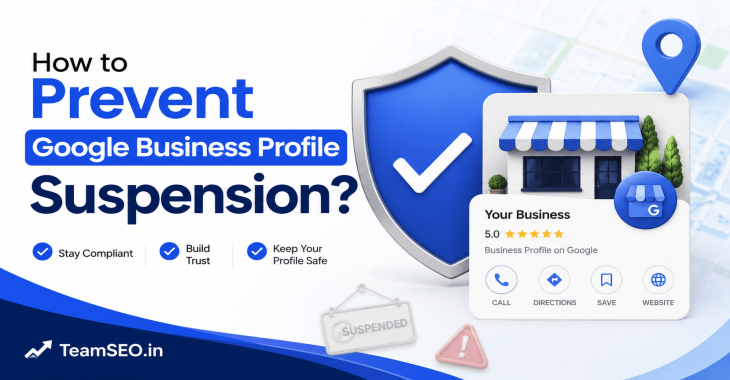
How to Prevent Google Business Profile Suspension: 10 Proven Ways
- Kruti Varma /
- 2026-08-24 /
The Google Business Profile (GBP) suspension can disrupt visibility and lead to lost customers. This article lays out practical steps to minimize risk and keep your profile active. You’ll find concrete actions you can take now that align with Google’s policies.
If you want to reduce the chance of a suspension, focus on accuracy, compliance, and consistent activity. The goal is to present a credible, up-to-date profile that mirrors reality and follows guidelines.
What this guide covers:
- Core policy compliance and account hygiene
- Data integrity practices for business listings
- Verification, ownership, and ongoing maintenance
- How to respond if a suspension occurs
READ MORE: How to Rank on Google Maps: Proven Local SEO Strategies
Understand Google’s policies and how they apply to you
Key policy areas to monitor
- Representing your business accurately: Ensure your business name, address, and phone number (NAP) match what’s on your website and other directories.
- Category and descriptor accuracy: Use categories that reflect your actual services and avoid misleading descriptors.
- Prohibited actions: Do not create multiple profiles for the same location, solicit fake reviews, or use misleading attributes.
Regular policy checkups
- Schedule quarterly reviews of Google’s guidelines and any updates that affect local listings.
- Map policy changes to your workflow so your team can adjust settings promptly.
Create a precise, verifiable business profile
Use your official business name
- The name shown on GBP should reflect the legal business name, not a marketing phrase.
- If your brand uses a DBA, include it only if it’s part of the storefront identity and supported by documentation.
Align address, phone, and categories with reality
- Your listed address should match where customers can physically visit or where the service operates.
- Use a single primary phone number and avoid listing multiple numbers that could confuse residents or Google.
- Choose primary and secondary categories that describe your business accurately. Avoid generic or unrelated categories.
READ MORE: Google Business Profile Optimization Guide (2026): Proven Tips to Rank #1 on Google Maps
Maintain data integrity across online properties
Consistency is king
- Ensure NAP consistency across your GBP, website, and other local listings.
- Any change to address or phone should be reflected everywhere in a timely manner.
Manage service areas and locations carefully
- If you serve customers at their locations, specify service areas rather than listing a distant physical address.
- Do not attempt to manipulate local rankings by adding fake locations.
Verification and ownership practices
Complete verification steps
- Follow Google’s recommended verification flow and use the method that best matches your setup.
- If verification prompts appear, address them promptly to avoid suspicion of incomplete ownership.
Document and access control
- Keep a record of who has access to the GBP account and what changes they make.
- Use role assignments to limit capabilities and reduce the risk of accidental or malicious edits.
READ MORE: Google Business Profile Verification: Complete Guide for 2026
Manage profile content responsibly
Accurate business hours and updates
- Keep hours current, including special hours for holidays or events.
- Update postings to reflect promotions, new services, or temporary changes, ensuring they don’t mislead customers.
Photos, services, and attributes
- Upload high-quality photos that reflect the real business premises, interior, and products.
- List accurate services and attributes, avoiding exaggeration or misrepresentation.
READ MORE: How to Post on Google Business Profile: Complete Step-by-Step Guide
Guard against suspicious activity
Access controls and security
- Use strong, unique passwords for Google accounts tied to GBP.
- Enable two-factor authentication (2FA) to prevent unauthorized changes.
Monitor changes and alerts
- Track edits to the profile and set up notifications for important actions.
- Review changes daily or weekly, depending on how active your account is.
Handling reviews and reputation
Review policy compliance
- Do not solicit or post fake reviews; avoid incentivizing positive feedback in exchange for goods or services.
- Respond professionally to reviews, addressing concerns without disclosing internal processes or private data.
Reporting suspicious activity
- If you detect review manipulation or suspicious behavior, report it through the appropriate channels and document evidence.
READ MORE: How to Fix Google Business Profile Suspension: Step-by-Step Guide
What to do if you suspect an impending suspension
Immediate steps
- Do not panic; review recent edits and verify your information against your website and other listings.
- Check for policy violations that could trigger suspension, such as NAP inconsistencies or incorrect categories.
Submit a remediation plan
- Prepare a concise explanation of the changes you made to align with policy guidelines.
- Provide supporting documentation if Google requests it, such as utility bills or lease agreements for physical locations.
10 proven actions to prevent Google Business Profile suspension
1) Ensure accurate business naming conventions
- The name on GBP should reflect your official business name as registered with government or licensing bodies, not marketing phrases.
- If you operate under a DBA, include it only if it’s consistently used in storefront signage and supported by documentation.
2) Keep NAP consistent across platforms
- Align the business name, address, and phone number on GBP with your website and key directories.
- Avoid frequent changes; if you must update, perform it across all platforms with documentation of the change.
3) Verify your location(s) properly
- Complete the verification process for every location you operate.
- If you have multiple locations, maintain separate GBP listings for each and avoid merging unrelated locations.
4) Choose precise categories and services
- Select the primary category that most accurately fits your business.
- Add secondary categories that reflect the full range of services without duplicating content or misrepresenting capabilities.
READ MORE: Google Business Profile Categories: The Complete Guide to Choosing the Right Categories
5) Maintain honest business hours and updates
- Post regular hours and update them for holidays, renovations, or seasonal changes.
- Ensure posted hours match the actual operating hours to avoid customer confusion and policy concerns.
6) Use authentic photos and videos
- Upload images that show the real storefront, interior, staff, and products.
- Avoid stock images or heavily edited visuals that misrepresent the business.
READ MORE: How Often Should You Post on Google Business Profile? (2026 Guide)
7) Protect your account with strong security
- Enforce 2FA and use strong passwords for the Google account tied to GBP.
- Limit access to essential personnel and monitor activity logs for unusual changes.
8) Monitor and manage reviews properly
- Respond to all reviews professionally and transparently.
- Do not offer incentives for positive reviews or pressure customers to alter feedback.
9) Document and address policy changes promptly
- Stay informed about policy updates and adjust your profile accordingly.
- Maintain a log of changes and the reasons behind them to demonstrate compliance.
10) Prepare a quick recovery plan for suspensions
- Keep essential documents handy: proof of business address, licensing, and ownership.
- Have a clear process for submitting appeals with factual, policy-aligned explanations.
READ MORE: How to Appeal a Google Business Profile Suspension: Complete Reinstatement Guide
Practical checklists you can implement now
Listing hygiene checklist
[⇒] Business name exactly as registered
[⇒] Address verified and consistent across platforms
[⇒] Primary phone number visible and accurate
[⇒] Primary and secondary categories appropriate
[⇒] Accurate business hours and updates
[⇒] Realistic photos representing the business
Security and access checklist
[⇒] 2FA enabled for GBP-linked account
[⇒] Only necessary staff have access
[⇒] Regular review of account activity
Review management checklist
[⇒] No fake or incentivized reviews
[⇒] Reply to reviews promptly and professionally
[⇒] Escalate suspicious activity to Google if detected
Common pitfalls to avoid
- Listing the same business under multiple profiles for the same location
- Using a business name that doesn’t match signage or licenses
- Posting misleading attributes or fake locations to game rankings
- Allowing third parties to manage listings without oversight
- Ignoring policy updates and continuing outdated practices
READ MORE: Why Is My Google Business Profile Not Showing? Complete Troubleshooting Guide
When to seek help
Internal resources
- Assign a local listing manager responsible for GBP compliance and updates.
- Use a centralized calendar for schedule-based changes like hours and promotions.
External support
- If a suspension occurs, compile a concise remediation report with changes made, timelines, and supporting documentation.
- Reach out to Google Support or a trusted local SEO professional for guidance if the issue persists.
Takeaways
- How to prevent Google Business Profile suspension hinges on data accuracy, policy alignment, and proactive account hygiene. Regular audits and disciplined processes reduce risk and support a stable, trustworthy listing.
READ MORE: How to Fix Google Business Profile Not Showing on Google Maps?
Conclusion
A disciplined approach to profile accuracy, verification, and ongoing maintenance minimizes suspension risk and helps GBP operate as a reliable cornerstone of local visibility.
Recent Blogs
-
Why Is My Website Page Not Indexed by Google? 12 Reasons & How to Fix It
Posted ::2026-09-24
-
How to Request Indexing of a Website Page on Google?
Posted ::2026-09-19
-
Google Search Console Guide 2026: Complete Beginner’s Guide
Posted ::2026-09-18
-
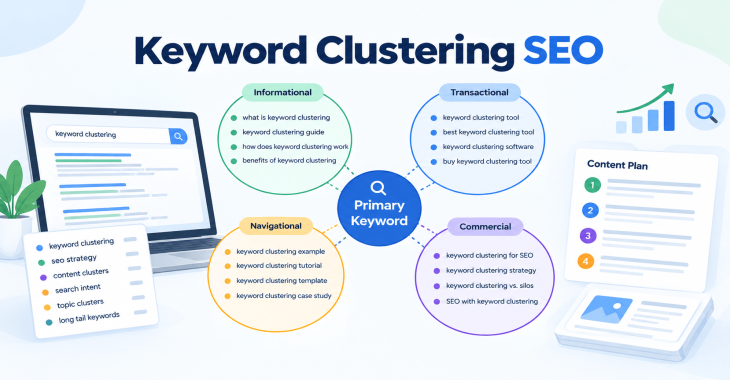
Keyword Clustering SEO: How to Group Keywords for Better Rankings
Posted ::2026-09-12
-
SEO Audit Checklist: 50+ Steps to Audit Your Website
Posted ::2026-09-11


Our FAQ’s
What is digital marketing?
Digital marketing involves marketing to people using Internet-connected electronic devices, namely computers, smartphones and tablets. Digital marketing focuses on channels such as search engines, social media, email, websites and apps to connect with prospects and customers.
What does a digital marketer do?
Digital marketing has evolved to the point where an immense array of specialists consult with brands to develop effective strategies or implement programs. If you’re new to digital marketing, or lack experience or resources, you should consider engaging an experienced and versatile digital marketing consultant.
Would my business benefit from digital marketing?
Definitely. Though companies in many business categories continue to approach digital marketing with skepticism, avoiding digital marketing denies your business access to the media the majority of consumers turn to first and at all hours of the day.
What’s the biggest mistake digital marketers make?
Blowing their own horn. Yes, of course, the primary goal of marketing is to create leads. However, in the age of digital media a brand-centric, salesy approach deflects interest in your company. Make your marketing customer-centric. Second biggest mistake: Far too often, digital marketers start and stop. You need to contribute a steady flow of content to the channels you use.
How often should I update my website?
Websites that go for long periods with no updates and new content are unlikely to perform well or support any useful digital marketing objectives. Though a static website technically qualifies as a website it’s bound to be more than a digital brochure that produces little or no leads.
What do I need to know about mobile?
Mobile phones are the most used technology in the world. Most of your prospects spend the majority of their media time—and hours—using a smartphone. Mobile marketing focuses on mobile strategies like messaging, mobile applications, and mobile websites. A brand that ignores mobile marketing is doomed.
What is content marketing?
Content marketing is the creation and distribution of educational and/or entertaining information assets for the purpose of generating brand awareness, traffic, leads and sales. Marketing content is generally free and does not explicitly promote your brand as an ad would.
What’s involved in creating a content marketing strategy?
A content marketing strategy is a plan for building an audience. Elements of content marketing strategy include establishing objectives, audience personas, a value proposition, content marketing mission statement, a buyer journey map, and plans for creating, promoting and analyzing how content marketing assets and programs perform.
Do I need a blog?
Email, social media, search and other elements of your digital marketing mix will depend on delivering useful content. Though video outlets, podcasts, and media galleries present other options, a blog is by far the most used tactic for distributing marketing content on a channel over which you have complete control.
What content should we create?
There can be no all-encompassing answer to this question except to say you should create content buyers will find relevant and useful. Leading candidates include blog posts, articles, ebooks, infographics, microsites, videos, courses, case studies, newsletters, visuals and various forms of interactive content.
What is SEO?
Search engine optimization (SEO) is the process of using onsite and offsite tactics to help get content presented by a search engine. Done well, the practice increases the quantity and quality of your traffic.
Why is SEO important?
The majority of web traffic is generated by search and those that come by way of search have a greater degree of commercial intent than most other channels.
What is local SEO?
Local SEO is the process of optimizing your online properties to generate traffic from location-based searches. It helps businesses promote products and services to local customers when they need them.
What are keywords?
Keywords are the words and phrases searchers use—usually with search engines—to find relevant pages, images, videos, or any kind of information when looking for answers, knowledge, products, or services. SEO professionals consider keywords and the topics they suggest when optimizing content for search.
What determines search engine rankings?
This question is the source of endless speculation and debate because search engine companies such as Google will not answer it. Experts generally agree rankings are based on relevance and authority, but the factors that determine them are many—and inconsistent. The best way to achieve a high search engine ranking is to create one of the most thorough web pages possible for a specific keyword or topic.
What is PPC?
PPC stands for pay-per-click. Essentially, it’s a way of buying web traffic. Advertisers pay a fee each time one of their ads is clicked. Search engine advertising is the most popular form of PPC, however numerous channels including Facebook now offer PPC ad models.
Why is social media important?
Chances are your audience is active on one or more of the major social networks where billions of people spend time daily. Brands that understand the power of social media marketing and commit resources to it can boost awareness, drive traffic, interact with customers, drive sales, build loyalty, and win advocates.
What is a lead magnet?
A lead magnet is a free offer you make in exchange for an email address (and possibly additional information). The purpose is to inspire prospects to join your email list by offering something of value. Examples include an ebook, guide, report, assessment, cheat sheet, tool, template, webinar, course, or a coupon.
What is a call to action?
A call to action (CTA) is a prompt that instructs the viewer to take a specific action. A call to action is typically written as a command, such as “Buy Now.” In digital marketing a CTA generally takes the form of a button or link.
How long does it take to see results?
Paid digital marketing programs should create results immediately. On the other hand, programs such as content marketing, email list building, and search engine optimization require persistence and patience. You might see some results in a matter of months; however, it’s likely to be six months to a year before you realize some of your traffic and conversion objectives.