

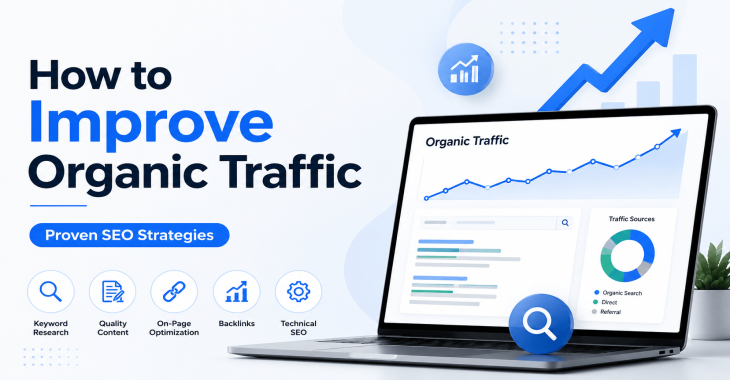
How to Improve Organic Traffic: 15 Proven SEO Strategies
- Kruti Varma /
- 2026-09-04 /
Organic traffic remains the strongest long-term driver of website growth. Implementing effective SEO strategies can steadily improve rankings, clicks, and engagement. This article outlines 15 proven approaches you can apply to boost organic traffic for your site.
Introductory overview
Increasing organic traffic requires a mix of technical optimization, high-quality content, and targeted outreach. The focus should be on delivering value to users while aligning with search intent. Below are practical strategies you can implement to improve organic traffic.
1) Audit and fix technical SEO issues
A solid technical foundation ensures search engines can crawl and index your site efficiently. Start with a comprehensive audit and address critical issues.
- Check crawlability: Ensure your robots.txt and XML sitemap are correct and accessible.
- Resolve site errors: Fix 404s, redirects, and server errors that hamper indexing.
- Improve site speed: Optimize images, enable caching, and consider a content delivery network (CDN).
- Ensure mobile usability: Verify responsive design and remove intrusive interstitials.
Key technical checks to run
- Core Web Vitals: Focus on loading, interactivity, and visual stability metrics.
- Structured data: Implement relevant schema markup to help engines understand your content.
- Duplicate content: Use canonical tags and proper internal linking to minimize duplication.
READ MORE: SEO Audit for Small Business: Complete Step-by-Step Guide
2) Align content with user intent
Content that matches user intent tends to rank higher and attract sustainable traffic. Map intent to content types and questions your audience asks.
- Informational: How-to guides, definitions, and tutorials.
- Navigational: Pages that direct users to a brand’s products or services.
- Commercial: Product comparisons, reviews, and buying guides.
- Transactional: Pages with strong calls to action and conversion pathways.
Steps to optimize for intent
- Identify primary questions for each topic.
- Create content that directly answers those questions in the opening.
- Structure content with clear headers that reflect intent signals.
3) Expand, update, and refresh evergreen content
Evergreen content continues to attract traffic over time when kept current. Regular updates signal relevance to search engines and users.
- Refresh data points: Update numbers, dates, and examples.
- Improve depth: Add new sections, examples, and use cases.
- Eliminate outdated references: Remove or revise deprecated information.
Practical refresh workflow
- Create a rollout calendar for top-performing articles.
- Set a quarterly review window to add fresh insights.
- Track performance after updates to verify impact.
READ MORE: Keyword Research for Beginners: A Complete Step-by-Step Guide
4) Optimize keyword strategy and on-page elements
A well-planned keyword strategy targets high-intent terms without keyword stuffing. Use semantic relevance to broaden reach.
- Primary keyword focus: How to Improve Organic Traffic
- Related terms: organic search optimization, SEO techniques, content marketing for SEO
- On-page signals: title tags, meta descriptions, headers, and internal links
On-page optimization checklist
- Craft a compelling title tag that includes the primary keyword.
- Write a meta description that invites click-through without overpromising.
- Use H2 and H3 headers to structure content around intent.
- Include the primary keyword naturally in the first 100 words.
READ MORE: On-Page SEO Checklist: 25+ Steps to Optimize Your Website
5) Build a robust internal linking structure
Internal links help distribute authority and guide users through relevant content. A thoughtful internal linking plan improves crawlability and engagement.
- Link from high-authority pages to important articles.
- Use descriptive anchor text that signals topic relevance.
- Create hub pages that centralize related content.
Internal linking tactics
- Audit existing internal links for broken paths and orphan pages.
- Group content into topical clusters and connect cluster pages to a central hub.
- Update old posts to include new internal links to relevant newer content.
6) Create high-quality, authoritative content
Quality content earns natural backlinks and user engagement, both of which influence organic traffic. Focus on depth, accuracy, and usefulness.
- Solve concrete problems: Provide steps, templates, or checklists users can apply.
- Use original research or insights when possible, but avoid fabricating data.
- Present information clearly with visuals: diagrams, screenshots, or code blocks.
Content formats that perform well
- How-to guides and tutorials
- Case studies and in-depth analyses
- Expert roundups and Q&A-style posts
- Comprehensive guides that cover related subtopics
7) Earn and build backlinks ethically
Backlinks remain a major ranking signal. Focus on earning links from relevant, reputable sites through value-led outreach.
- Create linkable assets: long-form guides, templates, and tools.
- Outreach with relevance: Target sites that share audience overlap.
- Guest contributions: Write for reputable publications with contextual links.
Outreach best practices
- Personalize outreach emails with specifics about why your content is a fit.
- Offer value beyond the link: promote mutual benefit, such as co-authored content.
- Respect guidelines: avoid paid links or manipulative schemes.
READ MORE: How to Do SEO for a Website: A Step-by-Step Guide
8) Leverage content clusters and pillar pages
Content clustering organizes topics into interconnected assets. Pillar pages act as central hubs that improve topical authority and crawlability.
- Create pillar pages for core topics.
- Develop supporting cluster posts that link back to the pillar.
- Ensure each cluster post addresses a distinct subtopic.
Implementation steps
- Define 3–5 core topics relevant to your site.
- Build pillar pages with comprehensive, evergreen content.
- Map subtopics to specific cluster posts with internal links.
9) Optimize for featured snippets and zero-click traffic
Positioning content to appear in featured snippets can drive visibility and traffic, even if users don’t click.
- Answer concise questions directly in content.
- Use bullet lists and numbered steps for quick extraction.
- Structure content to align with common snippet formats: paragraphs, lists, and tables.
Snippet-focused formatting
- Start with a direct answer within the first 40–50 words when possible.
- Use clear, scannable lists and step-by-step instructions.
- Include data points or definitions that succinctly address the query.
10) Improve user experience and engagement signals
User experience factors influence how search engines interpret the usefulness of a page. A smooth experience encourages longer visits and more pages per session.
- Clear navigation and internal structure
- Readable typography and accessible design
- Fast page loads and stable rendering
UX optimization tips
- Simplify menus and reduce click fatigue.
- Use consistent typography and contrast.
- Implement progressive enhancement for core features.
READ MORE: SEO Checklist for New Website: 25+ Steps to Rank on Google
11) Enhance content accessibility and localization
Accessibility broadens your potential audience and can improve search visibility, especially for international or multilingual audiences.
- Use alt text for images that describes the image purpose.
- Provide captions and transcripts for multimedia content.
- Consider localized content variants for different regions.
Localization considerations
- Create region-specific landing pages when appropriate.
- Translate or adapt content to align with local search terms.
- Ensure hreflang attributes help search engines serve the right version.
12) Optimize for voice search and natural language queries
Voice search often uses longer, question-based queries. Align content to conversational phrasing and question formats.
- Anticipate how questions are asked aloud
- Use FAQ sections to capture common queries
- Provide concise, direct answers within content
FAQ strategy
- Compile a list of frequently asked questions for each topic.
- Answer each question in 40–70 words with precise language.
- Include these FAQs as structured data where relevant.
13) Improve page speed and performance
Page speed remains a practical lever for organic traffic. Fast pages deliver better user experiences and can influence rankings.
- Optimize images and media delivery
- Minimize render-blocking scripts and unused CSS
- Enable caching and compression
Practical speed upgrades
- Use lazy loading for images off-screen
- Compress assets with efficient formats (e.g., modern image formats)
- Audit third-party scripts and remove unnecessary ones
READ MORE: SEO Mistakes to Avoid: 15 Common SEO Errors That Hurt Rankings
14) Monitor performance with data-driven adjustments
Regular measurement guides ongoing improvement. Use concrete metrics to inform optimization decisions.
- Traffic and impressions by query
- Click-through rate and average position
- Engagement metrics: time on page, bounce rate, pages per session
Setup checklist
- Define KPIs aligned with goals
- Implement consistent tagging and event tracking
- Review dashboards monthly and adjust priorities
15) Plan a sustainable content calendar and workflow
Consistency matters for organic growth. Create a repeatable process that supports ongoing optimization.
- Editorial calendar: topics, publish dates, owners
- Production workflow: research, drafting, editing, publishing
- Review cadence: quarterly keyword and content audits
Workflow tips
- Assign clear responsibilities for each stage
- Maintain a backlog of content ideas tied to intent
- Schedule updates for existing content based on performance
READ MORE: Why Is My Website Not Ranking on Google? 15 Reasons & How to Fix It
Conclusion: Takeaways
Improving organic traffic combines technical proficiency, purposeful content, and strategic outreach. Focus on aligning your content with user intent, building a solid technical foundation, and continually optimizing based on data. Implement these 15 strategies to create sustainable growth in organic traffic.
Recent Blogs
-
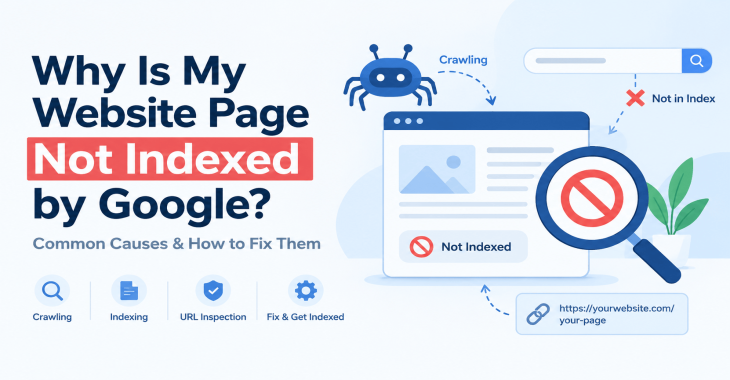
Why Is My Website Page Not Indexed by Google? 12 Reasons & How to Fix It
Posted ::2026-09-24
-
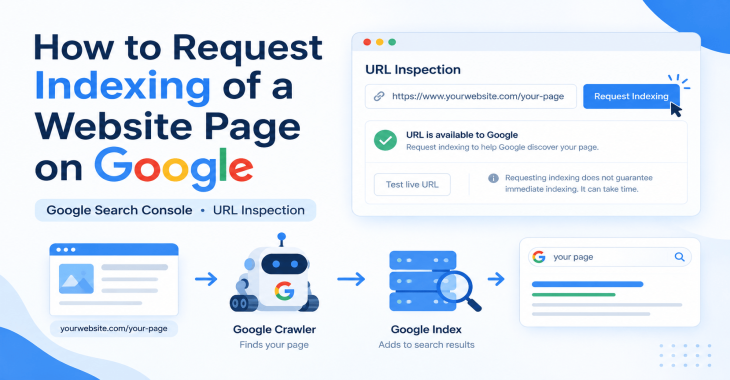
How to Request Indexing of a Website Page on Google?
Posted ::2026-09-19
-
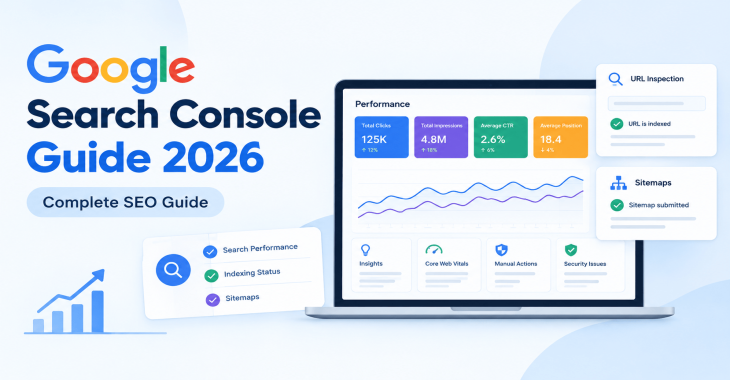
Google Search Console Guide 2026: Complete Beginner’s Guide
Posted ::2026-09-18
-
Keyword Clustering SEO: How to Group Keywords for Better Rankings
Posted ::2026-09-12
-
SEO Audit Checklist: 50+ Steps to Audit Your Website
Posted ::2026-09-11


Our FAQ’s
What is digital marketing?
Digital marketing involves marketing to people using Internet-connected electronic devices, namely computers, smartphones and tablets. Digital marketing focuses on channels such as search engines, social media, email, websites and apps to connect with prospects and customers.
What does a digital marketer do?
Digital marketing has evolved to the point where an immense array of specialists consult with brands to develop effective strategies or implement programs. If you’re new to digital marketing, or lack experience or resources, you should consider engaging an experienced and versatile digital marketing consultant.
Would my business benefit from digital marketing?
Definitely. Though companies in many business categories continue to approach digital marketing with skepticism, avoiding digital marketing denies your business access to the media the majority of consumers turn to first and at all hours of the day.
What’s the biggest mistake digital marketers make?
Blowing their own horn. Yes, of course, the primary goal of marketing is to create leads. However, in the age of digital media a brand-centric, salesy approach deflects interest in your company. Make your marketing customer-centric. Second biggest mistake: Far too often, digital marketers start and stop. You need to contribute a steady flow of content to the channels you use.
How often should I update my website?
Websites that go for long periods with no updates and new content are unlikely to perform well or support any useful digital marketing objectives. Though a static website technically qualifies as a website it’s bound to be more than a digital brochure that produces little or no leads.
What do I need to know about mobile?
Mobile phones are the most used technology in the world. Most of your prospects spend the majority of their media time—and hours—using a smartphone. Mobile marketing focuses on mobile strategies like messaging, mobile applications, and mobile websites. A brand that ignores mobile marketing is doomed.
What is content marketing?
Content marketing is the creation and distribution of educational and/or entertaining information assets for the purpose of generating brand awareness, traffic, leads and sales. Marketing content is generally free and does not explicitly promote your brand as an ad would.
What’s involved in creating a content marketing strategy?
A content marketing strategy is a plan for building an audience. Elements of content marketing strategy include establishing objectives, audience personas, a value proposition, content marketing mission statement, a buyer journey map, and plans for creating, promoting and analyzing how content marketing assets and programs perform.
Do I need a blog?
Email, social media, search and other elements of your digital marketing mix will depend on delivering useful content. Though video outlets, podcasts, and media galleries present other options, a blog is by far the most used tactic for distributing marketing content on a channel over which you have complete control.
What content should we create?
There can be no all-encompassing answer to this question except to say you should create content buyers will find relevant and useful. Leading candidates include blog posts, articles, ebooks, infographics, microsites, videos, courses, case studies, newsletters, visuals and various forms of interactive content.
What is SEO?
Search engine optimization (SEO) is the process of using onsite and offsite tactics to help get content presented by a search engine. Done well, the practice increases the quantity and quality of your traffic.
Why is SEO important?
The majority of web traffic is generated by search and those that come by way of search have a greater degree of commercial intent than most other channels.
What is local SEO?
Local SEO is the process of optimizing your online properties to generate traffic from location-based searches. It helps businesses promote products and services to local customers when they need them.
What are keywords?
Keywords are the words and phrases searchers use—usually with search engines—to find relevant pages, images, videos, or any kind of information when looking for answers, knowledge, products, or services. SEO professionals consider keywords and the topics they suggest when optimizing content for search.
What determines search engine rankings?
This question is the source of endless speculation and debate because search engine companies such as Google will not answer it. Experts generally agree rankings are based on relevance and authority, but the factors that determine them are many—and inconsistent. The best way to achieve a high search engine ranking is to create one of the most thorough web pages possible for a specific keyword or topic.
What is PPC?
PPC stands for pay-per-click. Essentially, it’s a way of buying web traffic. Advertisers pay a fee each time one of their ads is clicked. Search engine advertising is the most popular form of PPC, however numerous channels including Facebook now offer PPC ad models.
Why is social media important?
Chances are your audience is active on one or more of the major social networks where billions of people spend time daily. Brands that understand the power of social media marketing and commit resources to it can boost awareness, drive traffic, interact with customers, drive sales, build loyalty, and win advocates.
What is a lead magnet?
A lead magnet is a free offer you make in exchange for an email address (and possibly additional information). The purpose is to inspire prospects to join your email list by offering something of value. Examples include an ebook, guide, report, assessment, cheat sheet, tool, template, webinar, course, or a coupon.
What is a call to action?
A call to action (CTA) is a prompt that instructs the viewer to take a specific action. A call to action is typically written as a command, such as “Buy Now.” In digital marketing a CTA generally takes the form of a button or link.
How long does it take to see results?
Paid digital marketing programs should create results immediately. On the other hand, programs such as content marketing, email list building, and search engine optimization require persistence and patience. You might see some results in a matter of months; however, it’s likely to be six months to a year before you realize some of your traffic and conversion objectives.