

How Long Does SEO Take? A Realistic Timeline for SEO Results
- Kruti Varma /
- 2026-09-07 /
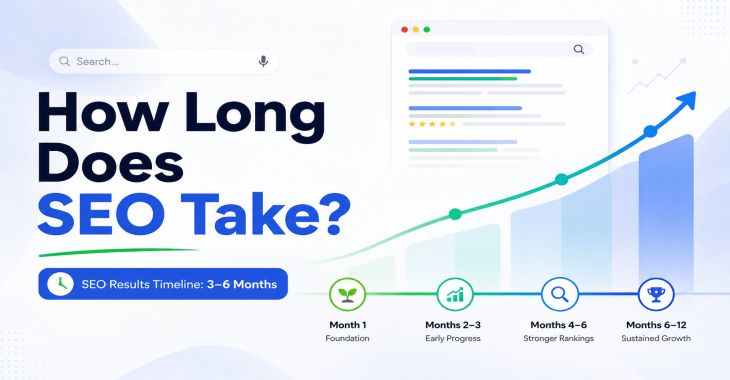
SEO results don’t happen overnight. The process is gradual, cumulative, and tied to a mix of technical health, content quality, and competitive landscape. Understanding the timeline helps teams set expectations, allocate resources, and track progress without chasing false positives.
This article breaks down typical milestones, factors that influence speed, and practical steps to move from initial setup to measurable gains. It aims to set realistic expectations for different types of projects, from new sites to established brands.
READ MORE: SEO Checklist for New Website: 25+ Steps to Rank on Google
What SEO results depend on?
SEO progress hinges on several interacting factors. None operate in isolation, and the relative importance of each differs by site, niche, and competition.
- Technical foundation: crawlability, indexability, site speed, structured data, and mobile optimization.
- Content quality and relevance: topic coverage, depth, usefulness to the target audience, and alignment with search intent.
- Off-page signals: backlinks, brand mentions, and social signals.
- Competitive landscape: the strength of incumbents, their content cadence, and their backlink profiles.
- User experience: engagement metrics, dwell time, and low bounce rates.
A solid, well-structured site with useful content often beats a larger, poorly optimized one. SEO is a marathon, not a sprint, but steady improvements compound over time.
The early phase: 0–3 months
In the first weeks, the focus is on discovery and fixes that unlock search engine access.
- Technical audit: fix crawl errors, ensure proper robots.txt usage, submit a sitemap, and correct canonical issues.
- Core web vitals and speed: optimize images, enable compression, and reduce render-blocking resources.
- Content scaffolding: create or refine a content map that targets primary topics and user intents.
- Metadata optimization: craft clear, keyword-aligned title tags and meta descriptions where appropriate.
Expect small, incremental wins if the site has been neglected, but more typical gains come from improved crawlability and clearer topic coverage. For new sites, indexation may take longer as search engines learn the site structure.
The growth phase: 3–6 months
By this stage, you should see signals that content and technical health are aligning with search intent.
- Content publication cadence: publish comprehensive, optimized pages focused on core topics.
- Internal linking improvements: establish a logical architecture that helps search engines discover and prioritize pages.
- Topic authority building: deepen coverage within key thematic clusters to satisfy topical relevance.
- Link-building moves: pursue high-quality, contextually relevant backlinks, avoiding spammy tactics.
Expect rankings to begin fluctuating as pages gain authority. Traffic can grow, but it’s common for changes to be uneven across keywords. Some pages may climb steadily; others may take longer if they compete in saturated niches.
The maturation phase: 6–12 months
This period often marks more noticeable traction, especially for mid-sized sites in competitive markets.
- Refinement through data: analyze keyword rankings, user behavior, and conversion metrics to guide adjustments.
- Content expansion: add depth to successful topics, answer related questions, and fill content gaps.
- Technical health maintenance: monitor for crawl issues, broken links, and performance regressions.
- Earned signals: continue building high-quality backlinks through guest contributions, partnerships, and resource pages.
Expect more stable traffic growth as the site’s content footprint and authority expand. The most sustainable gains come from a consistent product that satisfies user intent over time.
READ MORE: How to Improve Organic Traffic: 15 Proven SEO Strategies
The long tail and stabilization: 12+ months
For many sites, the most durable results arrive after a year or more of consistent effort.
- Content velocity pays off: older, well-optimized pages continue to accrue traffic as authority grows.
- Competitive re-evaluation: competitors update strategies; stay ahead by maintaining relevance and depth.
- Brand-driven signals: increased direct traffic and branded searches can improve overall visibility.
- Conversion-centric optimization: ranking is valuable only if it translates to meaningful actions.
At this stage, SEO becomes part of ongoing marketing operations. Fluctuations still occur due to algorithm updates or market changes, but the long-term trajectory tends to be steadier.
How long does it take for different goals?
SEO timelines vary by objective. Align expectations with what you aim to achieve and how success will be measured.
- Brand visibility and awareness: early to mid-term gains from content that addresses widespread questions; measurable lift often seen within 6–12 months.
- Organic traffic volume: requires both breadth of content and depth of topic coverage; gradual climbs over 6–12+ months.
- Lead generation or sales: depends on intent alignment, site trust, and conversion optimization; may require 9–18 months to see meaningful lifts in conversions.
- Ecommerce revenue: product pages, category optimization, and internal linking can accelerate results; expect 9–18 months for robust impact.
These ranges are general. Variations depend on industry competition, site history, and how aggressively you optimize.
READ MORE: SEO Mistakes to Avoid: 15 Common SEO Errors That Hurt Rankings
Common misperceptions that delay progress
Understanding what can stall progress helps prevent false starts.
- Expecting instant top rankings: search engines reward relevant, authoritative content over time; short-term spikes are possible but not guaranteed.
- Focusing on rankings alone: high rankings without improving user experience or conversion value offer limited business impact.
- Underinvesting in content quality: thin pages or low-value posts often fail to sustain rankings as competition evolves.
- Overemphasizing link quantity: quality, relevance, and editorial context matter more than sheer link counts.
- Ignoring analytics: without tracking intent, engagement, and conversions, optimization efforts can drift.
A disciplined approach—balancing technical health, content quality, and conversion optimization—produces the most reliable results.
READ MORE: Why Is My Website Not Ranking on Google? 15 Reasons & How to Fix It
Practical steps to accelerate realistic SEO results
While you can’t rush Google’s indexing decisions, you can optimize processes to maximize momentum.
- Start with a strong technical baseline
- Ensure a clean crawl path, canonicalization, and proper URL structure.
- Improve site speed and mobile experience.
- Implement structured data where appropriate to aid understanding.
- Build a solid content strategy
- Develop a topic-centric architecture with clear intent alignment.
- Produce comprehensive, useful content that answers user questions.
- Audit existing content to prune or improve underperforming pages.
- Create a deliberate internal linking plan
- Connect related topics to help juice up pages that have high conversion potential.
- Use breadcrumb trails and navigational structure that reflect the content map.
- Focus on user-centric optimization
- Improve readability, scannability, and on-page engagement signals.
- Enhance on-page elements like headings, captions, and clear CTAs.
- Use a disciplined, data-informed approach
- Regularly monitor keyword performance, traffic trends, and conversions.
- Run A/B tests on page elements that influence engagement and conversions.
- Build quality external signals
- Earn links from reputable, relevant sites.
- Seek partnerships and collaborations that result in organic mentions.
- Plan for ongoing maintenance
- Schedule periodic audits of technical health, content relevance, and link quality.
- Refresh and expand high-performing pages to maintain momentum.
What to do if results are slower than expected?
If progress stalls, revisit the core pillars and adjust expectations.
- Reassess keyword targets: ensure alignment with user intent and current search behavior.
- Audit technical health again: new issues can arise after site changes.
- Evaluate content relevance: competitors may have updated content or new topics; refresh accordingly.
- Examine user experience: high bounce rates or poor engagement can dampen rankings.
- Consider seasonality and market shifts: some verticals see cyclical patterns that affect momentum.
A structured diagnostic process helps determine where gains are bottlenecked and what corrective actions to take.
READ MORE: SEO Audit for Small Business: Complete Step-by-Step Guide
Metrics that matter over time
Track metrics that reflect both visibility and value.
- Visibility and impressions for target keywords.
- Organic traffic growth to content clusters.
- Click-through rate on search results and meta elements.
- On-page engagement metrics: time on page, bounce rate, and scroll depth.
- Conversion metrics: leads, sign-ups, or sales attributed to organic traffic.
Over the long term, the combination of these metrics indicates whether SEO investments translate into real business outcomes.
A concise timeline recap
- 0–3 months: fix technical issues, improve crawlability, establish content map, start publishing optimized pages.
- 3–6 months: deepen topic coverage, improve internal linking, begin cautious link-building, observe early signal changes.
- 6–12 months: refine based on data, expand content, stabilize technical health, pursue higher-quality backlinks.
- 12+ months: content portfolio matures, traffic grows more consistently, conversions improve as optimization compounds.
These phases are approximate. Real-world timelines depend on niche competitiveness, site maturity, and how consistently improvements are implemented.
READ MORE: Why is it Important to Hire SEO Company For Your Business?
Takeaways
SEO results come from steady, integrated effort across technical, content, and authority dimensions. While some sites see early improvements, the most meaningful and lasting gains typically emerge after several months and continue to compound with consistent work. Plan, execute with discipline, and monitor the right metrics to guide ongoing optimization.
Recent Blogs
-
Why Is My Website Page Not Indexed by Google? 12 Reasons & How to Fix It
Posted ::2026-09-24
-
How to Request Indexing of a Website Page on Google?
Posted ::2026-09-19
-
Google Search Console Guide 2026: Complete Beginner’s Guide
Posted ::2026-09-18
-
Keyword Clustering SEO: How to Group Keywords for Better Rankings
Posted ::2026-09-12
-
SEO Audit Checklist: 50+ Steps to Audit Your Website
Posted ::2026-09-11


Our FAQ’s
What is digital marketing?
Digital marketing involves marketing to people using Internet-connected electronic devices, namely computers, smartphones and tablets. Digital marketing focuses on channels such as search engines, social media, email, websites and apps to connect with prospects and customers.
What does a digital marketer do?
Digital marketing has evolved to the point where an immense array of specialists consult with brands to develop effective strategies or implement programs. If you’re new to digital marketing, or lack experience or resources, you should consider engaging an experienced and versatile digital marketing consultant.
Would my business benefit from digital marketing?
Definitely. Though companies in many business categories continue to approach digital marketing with skepticism, avoiding digital marketing denies your business access to the media the majority of consumers turn to first and at all hours of the day.
What’s the biggest mistake digital marketers make?
Blowing their own horn. Yes, of course, the primary goal of marketing is to create leads. However, in the age of digital media a brand-centric, salesy approach deflects interest in your company. Make your marketing customer-centric. Second biggest mistake: Far too often, digital marketers start and stop. You need to contribute a steady flow of content to the channels you use.
How often should I update my website?
Websites that go for long periods with no updates and new content are unlikely to perform well or support any useful digital marketing objectives. Though a static website technically qualifies as a website it’s bound to be more than a digital brochure that produces little or no leads.
What do I need to know about mobile?
Mobile phones are the most used technology in the world. Most of your prospects spend the majority of their media time—and hours—using a smartphone. Mobile marketing focuses on mobile strategies like messaging, mobile applications, and mobile websites. A brand that ignores mobile marketing is doomed.
What is content marketing?
Content marketing is the creation and distribution of educational and/or entertaining information assets for the purpose of generating brand awareness, traffic, leads and sales. Marketing content is generally free and does not explicitly promote your brand as an ad would.
What’s involved in creating a content marketing strategy?
A content marketing strategy is a plan for building an audience. Elements of content marketing strategy include establishing objectives, audience personas, a value proposition, content marketing mission statement, a buyer journey map, and plans for creating, promoting and analyzing how content marketing assets and programs perform.
Do I need a blog?
Email, social media, search and other elements of your digital marketing mix will depend on delivering useful content. Though video outlets, podcasts, and media galleries present other options, a blog is by far the most used tactic for distributing marketing content on a channel over which you have complete control.
What content should we create?
There can be no all-encompassing answer to this question except to say you should create content buyers will find relevant and useful. Leading candidates include blog posts, articles, ebooks, infographics, microsites, videos, courses, case studies, newsletters, visuals and various forms of interactive content.
What is SEO?
Search engine optimization (SEO) is the process of using onsite and offsite tactics to help get content presented by a search engine. Done well, the practice increases the quantity and quality of your traffic.
Why is SEO important?
The majority of web traffic is generated by search and those that come by way of search have a greater degree of commercial intent than most other channels.
What is local SEO?
Local SEO is the process of optimizing your online properties to generate traffic from location-based searches. It helps businesses promote products and services to local customers when they need them.
What are keywords?
Keywords are the words and phrases searchers use—usually with search engines—to find relevant pages, images, videos, or any kind of information when looking for answers, knowledge, products, or services. SEO professionals consider keywords and the topics they suggest when optimizing content for search.
What determines search engine rankings?
This question is the source of endless speculation and debate because search engine companies such as Google will not answer it. Experts generally agree rankings are based on relevance and authority, but the factors that determine them are many—and inconsistent. The best way to achieve a high search engine ranking is to create one of the most thorough web pages possible for a specific keyword or topic.
What is PPC?
PPC stands for pay-per-click. Essentially, it’s a way of buying web traffic. Advertisers pay a fee each time one of their ads is clicked. Search engine advertising is the most popular form of PPC, however numerous channels including Facebook now offer PPC ad models.
Why is social media important?
Chances are your audience is active on one or more of the major social networks where billions of people spend time daily. Brands that understand the power of social media marketing and commit resources to it can boost awareness, drive traffic, interact with customers, drive sales, build loyalty, and win advocates.
What is a lead magnet?
A lead magnet is a free offer you make in exchange for an email address (and possibly additional information). The purpose is to inspire prospects to join your email list by offering something of value. Examples include an ebook, guide, report, assessment, cheat sheet, tool, template, webinar, course, or a coupon.
What is a call to action?
A call to action (CTA) is a prompt that instructs the viewer to take a specific action. A call to action is typically written as a command, such as “Buy Now.” In digital marketing a CTA generally takes the form of a button or link.
How long does it take to see results?
Paid digital marketing programs should create results immediately. On the other hand, programs such as content marketing, email list building, and search engine optimization require persistence and patience. You might see some results in a matter of months; however, it’s likely to be six months to a year before you realize some of your traffic and conversion objectives.